Reviews
Used BMW 1 Series: what it really costs to own one
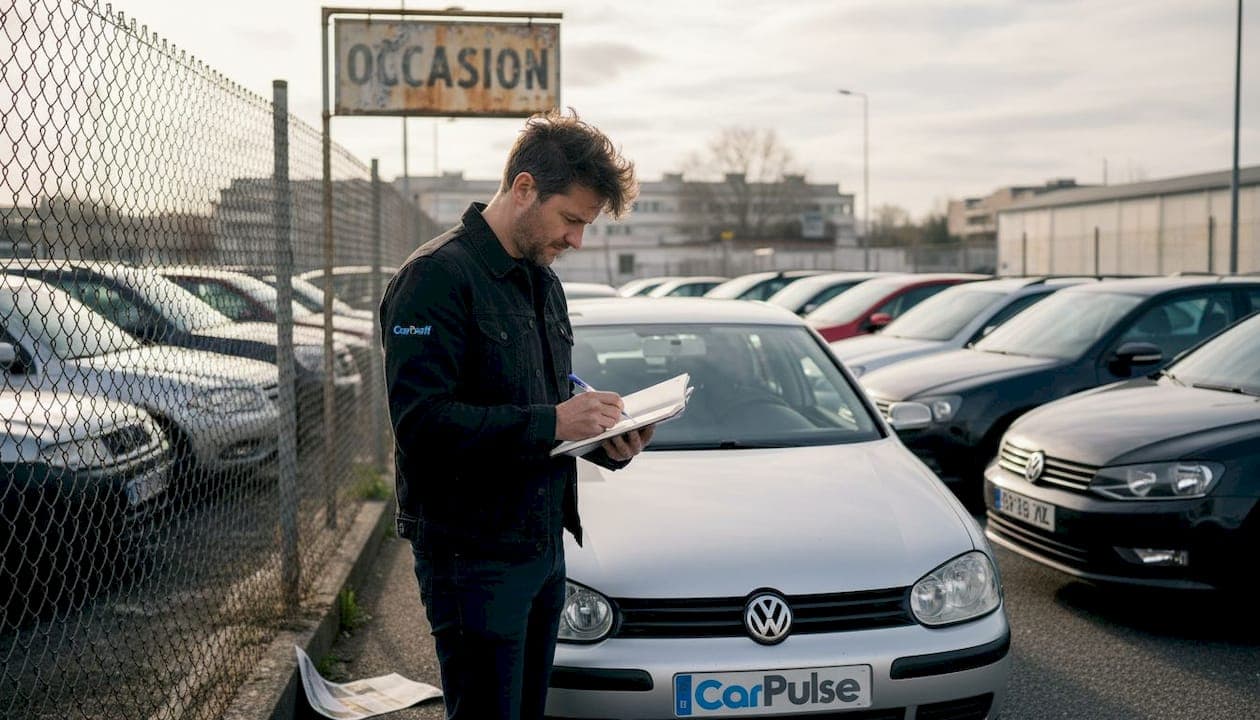
Used BMW 1 Series: what it really costs to own one
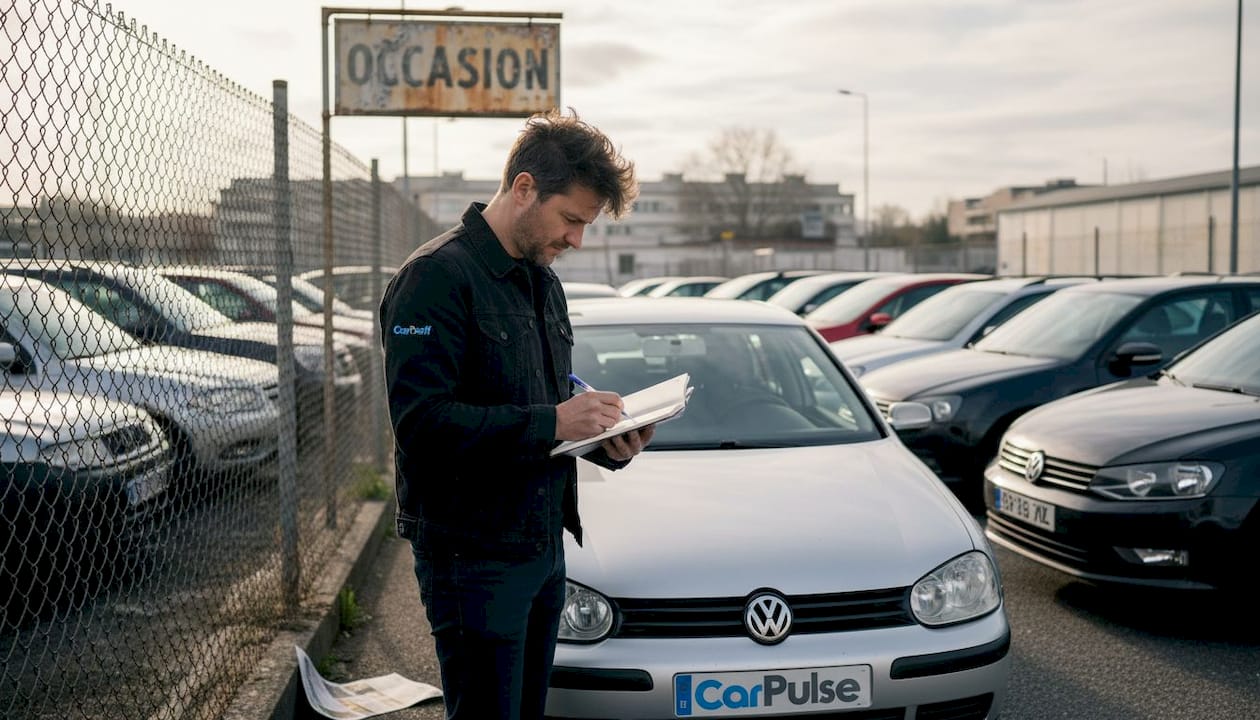
Summary:
- The 1 Series spans three distinct generations (E87, F20, F40): rear-wheel drive in the first two, front-wheel drive in the F40 — choose based on how you intend to use it.
- Prices range from €4,000–8,000 for an older E87 to €18,000–28,000 for a recent F40; use a market valuation tool before negotiating.
- Before signing anything, verify the roadworthiness certificate, full service history, ownership documents, and — critically — inspect the timing chain and injectors.
The BMW 1 Series is one of the most sought-after premium compacts on the Italian used-car market. It delivers driving pleasure, strong brand recognition, and a lower purchase price than the models above it in BMW's lineup. But "premium" also means above-average running costs if you buy the wrong example. In this guide from CarPulse.it we break down the three generations, the most reliable engines, real market prices, known issues, and everything you need to verify before handing over your money.
The three generations: E87, F20 and F40
Understanding which generation you're looking at is the essential first step — it determines the mechanical architecture, driving character, and likely expenses.
E87 (2004–2011) — The classic rear-wheel-drive original
The first proper generation of the 1 Series was built on an RWD platform inherited from the E46 3 Series. The main body style is the 5-door (E87), but there's also the 3-door E81, the coupé E82, and the convertible E88. The longitudinal engine and rear differential deliver a driving experience that's rare in the compact segment. Today these are affordable on the used market, but their age means maintenance history matters enormously — expect to encounter cars that have been either well cared for or significantly neglected.
F20 (2011–2019) — The most common, the most popular
The second generation kept rear-wheel drive, introduced more modern styling, higher-quality interiors, and more efficient engines from the N13, N20, and B38/B48 families. It's the most numerous generation on the Italian used market — production ran for nearly a decade across many variants (5-door F20, 3-door F21, coupé F22, convertible F23). The 2015 facelift brought a visual refresh and iDrive update. It remains the best balance of price, technology, and driving enjoyment.
F40 (2019–present) — A clean break with the past
With the F40, BMW made a controversial call: the 1 Series moved to front-wheel drive (FWD) or all-wheel drive xDrive, sharing the UKL2 platform with the Mini and BMW X1. Those who bought a 1 Series for the RWD character often avoid it; those who want a comfortable premium hatchback appreciate the significantly increased interior space, standard ADAS features, and modern engines. On the used market, prices for recent examples remain high.
Engines: which to choose (and which to avoid)
The engine choice is arguably the most important decision when buying a used 1 Series.
Petrol
- N45/N46 (E87, 1.6–2.0): reliable and simple, but the timing chain on the front of the engine needs checking. Mandatory inspection item.
- N13 (F20, 1.6T): a four-cylinder turbo associated with injector seal failures that allow petrol to dilute the engine oil. A priority check on any F20 with this engine, especially higher-mileage examples.
- N20 (F20, 2.0T): the most balanced petrol option. Good torque, decent economy. Check the timing chain and engine mounts, which tend to wear after 100,000 km.
- B38/B48 (F20 post-2015, F40): more modern units, generally more reliable. The B38 three-cylinder is lively but produces noticeable vibrations at low revs.
Diesel
- N47 (E87/F20, 2.0d): a strong engine with a documented weak point — the rear-mounted timing chain can fail between 100,000 and 200,000 km with catastrophic results. Always ask for chain replacement documentation or budget the repair in as an immediate cost.
- B47 (F20/F40, 2.0d): the N47's successor with the chain moved to the front of the engine. The problem is essentially resolved. The most recommended diesel in the range.
Market prices: what to expect
Prices vary by generation, mileage, trim level, and overall condition. As a guide for the Italian market in 2026:
- E87 (2004–2011): €4,000–10,000 for average examples; above €10,000 only for low-mileage or well-preserved 120i/130i variants.
- F20 first series (2011–2015): €8,000–16,000, with entry-level 116i models below €10,000 and performance variants like the M135i at the top.
- F20 facelift (2015–2019): €12,000–22,000, with peaks for well-kept M140i examples.
- F40 (2019–present): €18,000–30,000+, depending on age and specification.
Before negotiating, compare the asking price against real market data using the free price valuation tool on CarPulse.it: enter the plate, mileage, and condition to get an instant estimate based on actual Italian market transactions.
Known issues and reliability
The 1 Series is a quality car, but every model has its documented weak spots. Knowing them puts you in a stronger negotiating position.
Timing chain
The most critical chapter. On the N47 diesel (rear-mounted chain), failure between 100,000 and 200,000 km is a real risk. Replacement costs €1,500–3,500 and is a complex job. On the N20 petrol, the risk is lower but not zero. Always ask for documentation of chain replacement.
Injectors (N13)
The 1.6 turbo N13 in some F20 models has a known injector seal issue that allows petrol to enter the sump and dilute the oil. Check the oil level and color — milky or overfull oil is a red flag.
Electronics and sensors
BMWs of this era can suffer from sensor faults (lambda, MAF, VANOS), electric window failures, and convertible roof module issues. A cheap OBD II reader can reveal stored fault codes the seller hasn't disclosed.
Rust and bodywork
On older E87s, check the rear wheel arches, door sills, and engine bay. F20s are generally better protected, but watch for corrosion on cars from coastal areas or salted roads.
What to check before buying
- Ownership documents (PRA/ACI check): verify ownership, liens (ipoteche), and administrative blocks (fermo amministrativo). Available online for around €9.
- Valid roadworthiness certificate (revisione): check the date on the sticker and in the vehicle registration document. Expiring soon? Use it as a negotiating point.
- Full service history: insist on the service booklet. BMW recommends intervals of 10,000–30,000 km depending on the series; a skipped service on a problematic engine is a significant risk.
- OBD II scan: bring a reader or ask a trusted mechanic. Faults related to the timing chain, injectors, or VANOS are serious concerns.
- Test drive: listen for cold-start noises (timing chain rattle), check the automatic gearbox for jerking (ZF 8-speed), verify steering feel, and test the brakes.
- Bodywork and chassis: check panel gap consistency, use a paint thickness gauge if you suspect hidden accident repairs, and inspect the underside for damage or repairs.
Once you've completed your checks, browse verified BMW 1 Series listings on CarPulse.it to compare your options against real market prices and find transparent sellers.
Real running costs
- Standard service: €250–450 at an independent specialist; €500–900 at a BMW dealer.
- Tyres: €400–700 for a set of four quality tyres (typical sizes: 205/55 R16 or 225/45 R17 for sportier versions).
- Road tax (bollo auto): depends on engine power and region; roughly €150–250 per year for a 116i with 85 kW.
- Mandatory insurance (RCA): highly variable; typically €600–1,200 per year for a driver aged 25–40.
- Unexpected repairs: budget €500–1,000 per year as a contingency, especially on older examples.
Frequently Asked Questions
Is the front-wheel-drive F40 worth buying over the F20?
It depends on your priorities. The F40 offers more interior space, more up-to-date technology, and generally more efficient engines. The F20 keeps rear-wheel drive, valued by those who want a more engaging driving experience. For primarily urban use, the F40 is more practical; for driving enjoyment, the F20 remains the choice.
Is the N47 diesel really that risky?
The rear timing chain issue is real and documented, but not inevitable — many N47s have covered 200,000 km without problems with regular maintenance. The key is documentation: if you can't verify the chain has been inspected or replaced, factor in the replacement cost as an immediate expense when calculating the total purchase price.
How do running costs compare to a VW Golf or Alfa Giulietta?
BMW parts cost on average 20–40% more than mainstream brands. A full BMW dealer service roughly doubles the cost of an independent specialist. Using a reputable independent garage that specialises in German cars is the most rational way to manage costs without sacrificing service quality.
Which used 1 Series offers the best value for money?
The F20 facelift (2015–2019) with a B47 diesel or B48 petrol engine represents the best overall balance: mature, more reliable engines, front-mounted timing chain, modern technology, and prices that are still accessible. A 118d or 120d with under 120,000 km and documented service history is the profile we recommend.
Conclusion
A used BMW 1 Series can be an excellent purchase or a money pit — it all comes down to the generation, the engine, the documented history, and the thoroughness of your pre-purchase inspection. With the information in this guide you're already ahead of most buyers. The next step is finding the right example: search available BMW 1 Series listings on CarPulse.it, compare prices against the market valuation, and negotiate with confidence.