Reviews
Used VW Polo: Pros, Cons and Updated Prices
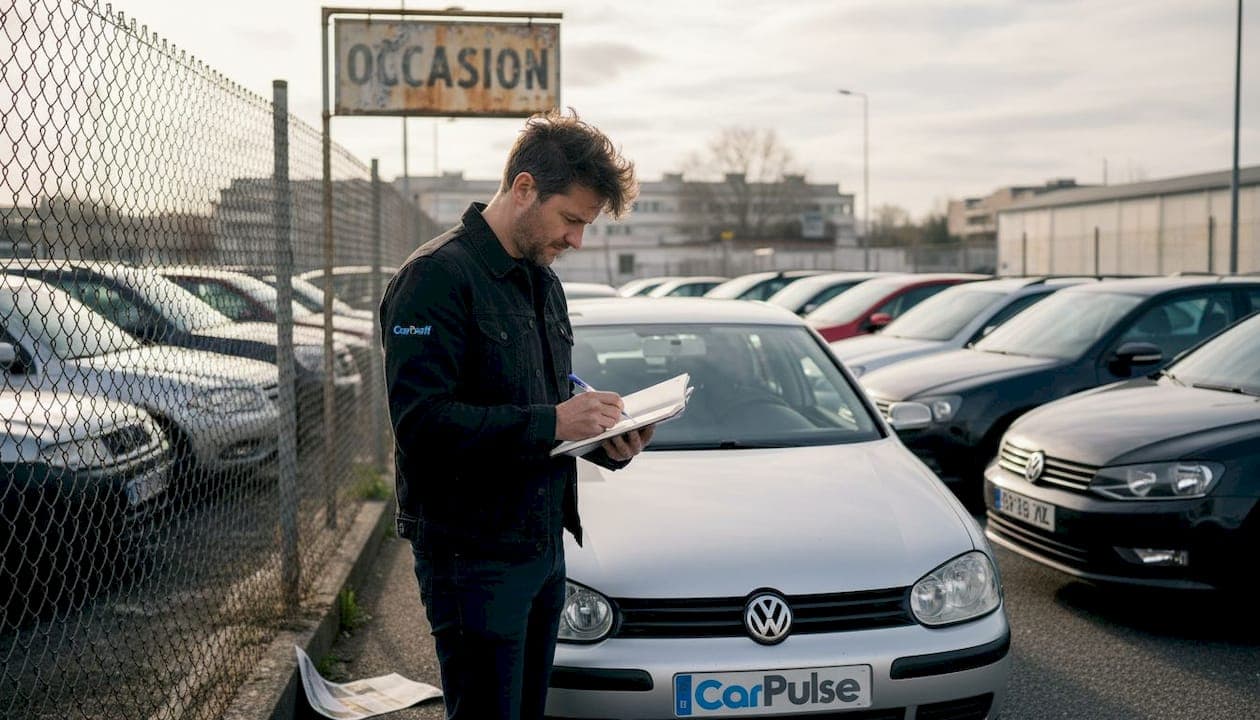
Used VW Polo: Pros, Cons and Updated Prices
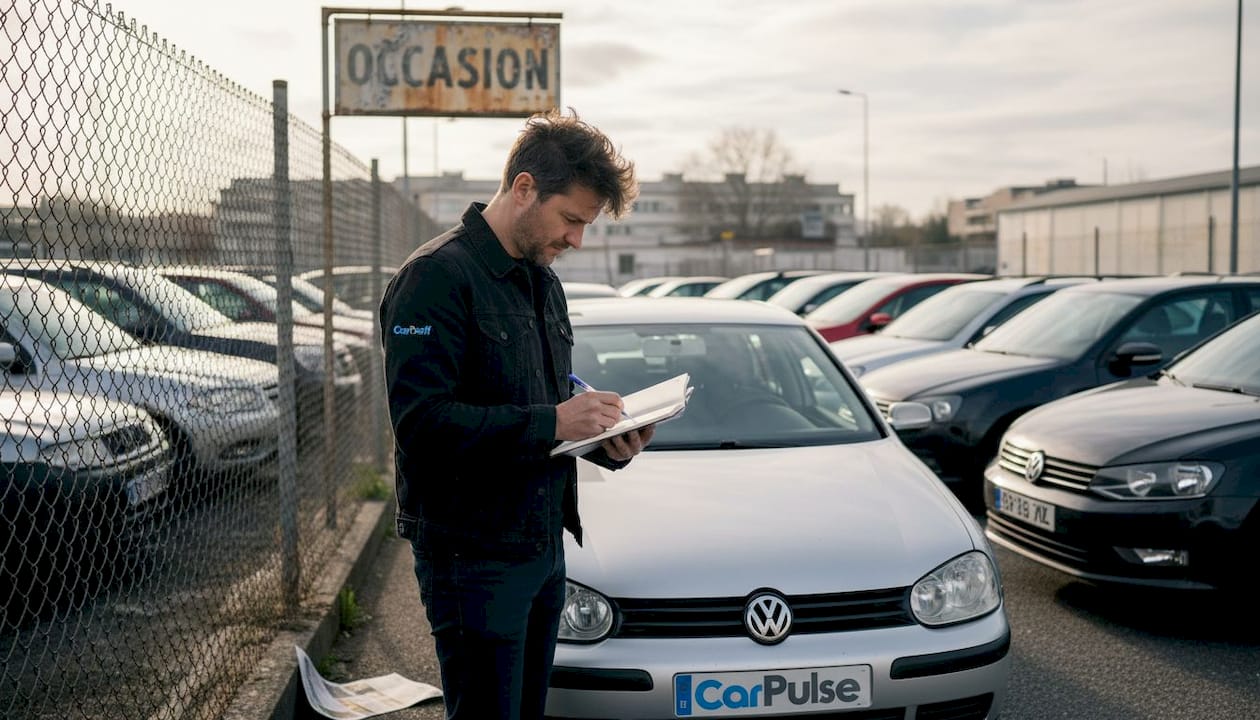
Summary:
- The Polo VI on the MQB A0 platform is the most modern and well-rounded choice, but the Polo V offers excellent value if you pick the right engine and avoid the 1.2 TSI timing chain problem.
- The 1.0 TSI is the safest petrol engine across generations; the 1.4 TSI is the one to avoid — known piston and ring failures make it a risky buy without a full inspection.
- Always run a PRA check at ACI, verify the revisione is current, and test the DSG in slow traffic before committing to any automatic-gearbox example.
The Volkswagen Polo is one of the best-selling superminis in Europe, and for good reason. It carries Volkswagen's reputation for solid build quality into a compact, efficient package that suits city driving, family second-car duty, and first-time buyers equally well. On CarPulse.it, it consistently ranks among the most-searched used cars, reflecting its broad appeal across age groups and budgets. That popularity also means the used market is large and varied — which makes knowing what to look for more important than ever.
This guide covers every practical dimension of buying a used Polo in Italy: which generation and engine suit your needs, realistic current prices, the recurring faults documented across thousands of owners, what to inspect in person, and how to navigate the Italian bureaucratic requirements. By the time you finish reading, you will have a clear framework for evaluating any Polo you encounter.
Generations: Which One to Choose
Three generations make up the bulk of the used Polo market today, each with a distinct technical character.
Polo IV (2001–2009) is the oldest generation still in circulation in meaningful numbers. It was built on the robust PQ24 platform and came in both three-door and five-door configurations. The engine range spanned 1.2, 1.4, and 1.6 petrol units alongside the 1.4 TDI and 1.9 TDI diesels. Build quality for the era was respectable and these cars are mechanically straightforward to work on. The flip side is age: most examples are now 15–20 years old, which means they are approaching or past the threshold where corrosion, worn rubber, and deferred maintenance become the primary cost drivers. A Polo IV in genuinely good condition can still make practical budget transport, but it demands a thorough inspection before purchase.
Polo V (2009–2017) is where the modern Polo story really begins. The switch to the PQ25 platform brought significant improvements in crash performance, noise insulation, and driving refinement. The engine lineup shifted toward Volkswagen's then-new TSI turbocharged petrol family — 1.0, 1.2, and 1.4 TSI — alongside 1.2 and 1.6 TDI diesels. This generation is the sweet spot of the used Polo market for buyers working with a moderate budget: prices have softened to realistic levels, parts are widely available, and independent workshops know these cars well. The caveat is the 1.2 TSI timing chain issue, which is specific to this generation and discussed in detail below.
Polo VI (2017–present) represents the most significant engineering step in the model's history. The move to Volkswagen Group's MQB A0 platform brought the Polo into the same modular family as the Golf, Audi A1, and SEAT Ibiza. The interior took a substantial leap forward in quality and technology, and the revised engine range — anchored by the 1.0 TSI in 95 and 110 hp outputs, with a 1.5 TSI at the top — is genuinely modern and efficient. Early examples are now entering a more accessible price bracket. For buyers who can stretch the budget, the Polo VI is the recommended choice.
Engines: What Works and What to Watch
Engine choice is the single most consequential decision when buying a used Polo. The range spans from genuinely dependable to demonstrably problematic, and understanding each unit saves both money and frustration.
1.0 TSI (95–110 hp, Polo VI) is the standout engine of the current generation. A three-cylinder turbocharged unit, it is more than capable for everyday use and has accumulated a solid reliability record. Fuel consumption in mixed driving is typically 5.5–6.5 litres per 100 km. It is the engine to seek out on Polo VI examples.
1.2 TSI (Polo V) powered the majority of Polo V petrol sales and is therefore extremely common in the used market. The problem is a well-documented timing chain that wears prematurely, typically between 80,000 and 150,000 km. The warning sign is a rattling or chattering noise on cold start that disappears after the engine warms up. If you hear this noise, walk away or negotiate a significant price reduction to cover the repair. On examples that have had the chain and tensioner replaced, and where the service history confirms regular oil changes, the engine is otherwise sound.
1.5 TSI (Polo VI) is the range-topper for everyday Polo buyers. It delivers brisk performance and covers long distances with genuine ease. Long-term reliability data is still accumulating, but early indications are positive. Examples tend to sit at the higher end of the Polo VI price range.
1.6 TDI (Polo V and VI) is a dependable choice for higher-mileage drivers and those who cover regular motorway distances. Economy can drop below 4.5 litres per 100 km on the motorway. The main maintenance point to verify is the diesel particulate filter: Polo TDIs used predominantly in urban traffic are prone to DPF clogging. Ask for documentation of any regeneration cycles or DPF service.
1.4 TSI (Polo V) should be treated with caution. This engine has a documented history of piston and ring failures, leading to oil consumption and in severe cases, complete engine failure. Unless the car has a verified mechanical inspection confirming the engine is in sound condition, and the price reflects the risk, this is the engine to avoid in the Polo V lineup.
7-speed DSG (DQ200) — fitted to many TSI and TDI variants — has a known tendency for shudder and hesitation at low speeds, especially during slow-moving traffic manoeuvres. This is a dry dual-clutch transmission and it behaves differently from a conventional automatic. Always test it in stop-start city conditions before buying. A fluid service sometimes resolves early-stage judder; worn clutch packs require a more significant repair.
Used Market Prices in Italy 2026
The Polo's wide production span means there is an example at virtually every price point in the Italian used car market. The following ranges are indicative of private and dealer asking prices as of mid-2026 and reflect typical condition and mileage for each generation.
- Polo IV (2001–2009): €3,000–€7,000. Budget transport territory; price is heavily influenced by condition, mileage, and whether the timing belt has been recently replaced.
- Polo V (2009–2017): €6,000–€14,000. The wide spread reflects the seven-year production run and the significant difference in value between a high-mileage 2010 base model and a low-mileage 2016 Highline.
- Polo VI (2017–present): €12,000–€22,000+. Early examples (2017–2019) are beginning to soften in price, while recent low-mileage cars remain close to new-car territory.
These ranges are indicative — the actual fair market value of a specific car depends on exact mileage, trim level, optional equipment, service history quality, and regional demand. Before entering any negotiation, use CarPulse.it's free price valuation tool to check whether the asking price is realistic for the specific configuration you are considering.
Known Issues and Recurring Faults
The Polo is a well-built car by supermini standards, but every generation has its documented weak points. Knowing them in advance allows you to inspect specifically and negotiate accordingly.
Polo V 1.2 TSI timing chain: As described above, the timing chain on this engine wears between 80,000 and 150,000 km. Cold-start rattle is the diagnostic indicator. This is the most financially significant fault in the Polo V lineup and the most important item to check.
7-speed DSG shudder: The DQ200 dual-clutch gearbox fitted across petrol and diesel variants of both the Polo V and VI can develop shudder and hesitation in low gears. Early-stage problems sometimes respond to a gearbox fluid service and software update; advanced cases require clutch pack replacement at meaningful cost.
Electrical components: Polo V examples with higher mileage can develop faults in window regulators, sensor modules, and infotainment systems. These are generally not expensive to fix but can generate an irritating sequence of minor issues on an otherwise sound car.
Polo IV underbody corrosion: Given the age of this generation, underbody and sill corrosion is a genuine concern. Any Polo IV deserves a thorough inspection from below — look at the sills, subframe mounting points, and floorpan for active rust or previous repair work that may be concealing worse problems beneath.
Polo VI interior plastics: The Polo VI brought a significant improvement in interior quality over its predecessor, but the materials remain acceptable rather than premium at the lower trim levels. This is cosmetic rather than mechanical, but worth noting if condition is a priority.
Reliability: The Long View
Across all generations, the Polo has a better-than-average reliability record for its segment. The platform engineering is shared with the Golf, which means the fundamental architecture is well-proven. Owner survey data and workshop feedback consistently place it above segment average for build durability, particularly on higher trim levels where specification tends to be more complete.
The caveat is maintenance history. A Polo that has received regular oil changes, timely timing chain or belt replacements, and correct DSG fluid intervals will cover very high mileage without major incident. A Polo that has been run to the limits of each service interval, particularly with the 1.2 TSI engine, will have shortened its own life significantly. Service history is not optional documentation — it is the primary determinant of reliability on any used Polo.
The Polo VI with the 1.0 TSI engine and a manual gearbox is the combination with the fewest known recurring faults. If long-term low-cost ownership is the goal, this is the configuration to prioritise.
What to Inspect Before Buying
A structured pre-purchase inspection covers both the mechanical and administrative dimensions of the purchase. In Italy, both matter equally.
Service history (libretto tagliandi): A complete maintenance booklet with dated stamps from authorised dealers or reputable independent workshops is essential. Cross-reference the mileage recorded at each service against the current odometer and any revisione documents to detect tampering.
Revisione (roadworthiness test): Italian law requires a periodic technical inspection every two years for cars over four years old. Confirm the certificate is current before completing any purchase. An expired revisione is not a bureaucratic technicality — it affects insurance validity and means the car legally cannot be driven on public roads.
Real mileage indicators: Beyond the odometer, physical wear tells its own story. Inspect the clutch pedal rubber, the steering wheel rim, and the driver's seat bolster for wear levels consistent with the claimed mileage. A car showing 80,000 km with a worn-through steering wheel deserves closer scrutiny.
Cold-start test: Start the engine from cold and listen carefully for the first 30 seconds. Any rattling or chattering from the top of the engine on a 1.2 TSI Polo V is the timing chain announcing its condition. Do not dismiss this noise as normal warm-up behaviour.
DSG test in slow traffic: If the car has the dual-clutch automatic, spend time in genuine slow-moving conditions — not just a brief test-drive at moderate speed. Shudder, hesitation, or a jerky pull-away in gears one through three are indicators of clutch pack wear.
PRA check at ACI: Before signing the transfer documents, run a visura PRA through the Automobile Club d'Italia. This reveals any outstanding finance (fermo amministrativo), court-ordered seizures, or liens registered against the vehicle. A car with an active fermo cannot legally change hands until the debt is cleared — confirming this before payment is non-negotiable.
Bodywork and paint: Look for paint overspray on rubber seals, uneven panel gaps, or colour mismatches between panels — signs of previous accident repair. On Polo IV examples, inspect the sills and underbody specifically for corrosion. To browse verified used Volkswagen Polo listings on CarPulse.it with transparent history data already included, start your search there before visiting private sellers.
Running Costs: What to Budget in Italy
Ownership costs for the Polo sit in the lower half of the Italian market, which contributes significantly to its appeal as a practical used buy.
Bollo auto (road tax): Calculated on engine power output in kilowatts rather than displacement, and varies by region. A standard Polo petrol will typically fall in the lower bracket of annual road tax; the precise figure depends on your region of registration and the engine's rated output.
RCA insurance: For a standard used Polo in this segment, annual third-party liability insurance (RCA) typically runs between €400 and €900 depending on the owner's profile, driving history, and the province of registration. This range is for indicative planning purposes — your actual quote will reflect your specific situation.
Standard service: A full service at an authorised Volkswagen workshop typically costs between €150 and €280 depending on the service interval and any items requiring replacement. Independent specialists generally come in below the lower end of this range.
Timing chain replacement (if required on 1.2 TSI): If the timing chain on a Polo V 1.2 TSI needs replacement, budget €500–€1,200 including labour depending on the workshop. This is a significant cost to factor into any purchase negotiation if the chain has not been replaced and mileage is in the risk window.
Frequently Asked Questions
Which Polo generation offers the best value for money in 2026?
The Polo V (2009–2017) offers strong value if you choose the 1.0 TSI or 1.6 TDI engine and have the timing chain inspected on any 1.2 TSI example. It sits in a price bracket where depreciation has plateaued, making it a financially stable used buy. The Polo VI is a better car overall, but requires a higher initial investment.
Is the 1.4 TSI engine in the Polo V worth buying?
Only with caution. The 1.4 TSI in the Polo V has a documented history of piston and ring failures. Unless the car has a verified mechanical inspection confirming the engine is in sound condition — with no oil consumption between services — and the price reflects the risk, this is the engine variant to avoid. There are better choices in the same generation and price range.
How do I verify there are no outstanding issues on a used car in Italy?
Run a visura PRA through the ACI (Automobile Club d'Italia). This check reveals any active fermo amministrativo (administrative hold linked to unpaid fines or taxes), court seizures, or registered liens against the vehicle. A car with an active fermo cannot be legally transferred to a new owner until the underlying debt is resolved. This check costs a few euros and should be completed before you commit to any purchase.
What is the revisione and when does it expire?
The revisione is Italy's mandatory periodic vehicle roadworthiness inspection, equivalent to an MOT in the UK. For cars over four years old it is required every two years. The expiry date is printed on the inspection certificate and should also appear on a sticker on the windscreen. An expired revisione means the car cannot legally be driven on public roads and voids the validity of the insurance policy — always confirm it is current before buying.
Conclusion
The used Volkswagen Polo is one of the most sensible purchases in the Italian used car market — practical, efficient, well-supported by the parts network, and available at a wide range of price points. The key is choosing the right generation and engine combination. The Polo VI with the 1.0 TSI is the safest overall choice. In the Polo V, the 1.0 TSI and 1.6 TDI are sound picks; the 1.2 TSI is viable if the timing chain has been addressed; the 1.4 TSI requires careful verification. The Polo IV remains a budget option for buyers who understand they are buying an older car and price the maintenance risk accordingly.
Whatever generation you are considering, stick to the fundamentals: complete service history, a current revisione, a cold-start test, a PRA check at ACI, and a DSG test in real slow-traffic conditions if the car is an automatic. Those five steps alone will filter out the majority of problematic cars.
Ready to find your next Polo? List your car for free on CarPulse.it if you are selling, or browse the full inventory to compare current market pricing against the ranges in this guide.