Guides
Used cars in Poland: low prices, real risks and practical tips
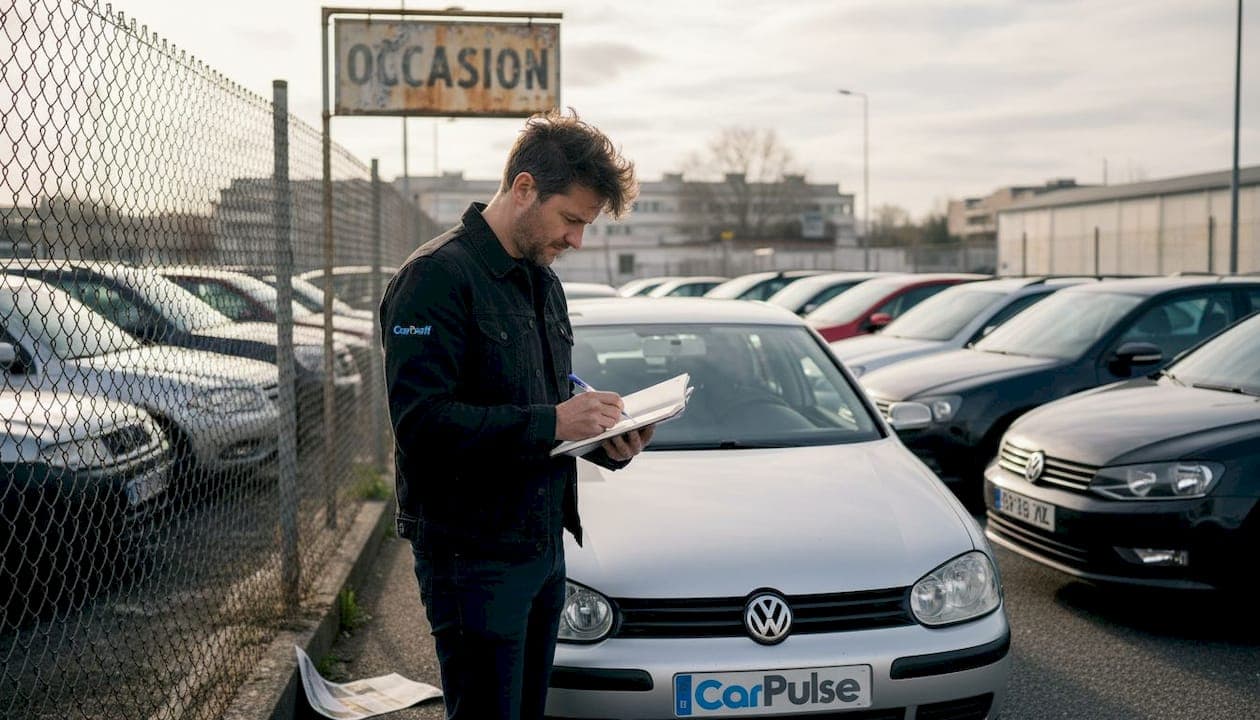
Used cars in Poland: low prices, real risks and practical tips
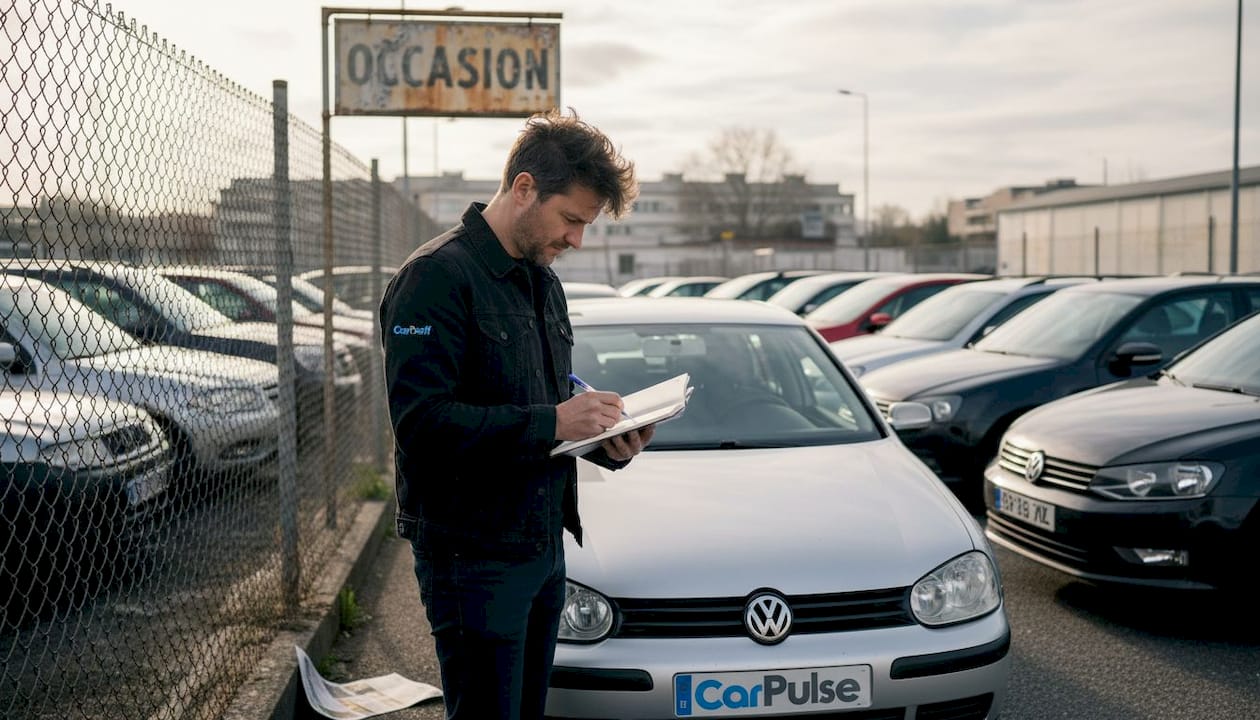
Summary:
- Used cars in Poland are on average 20–35% cheaper than in Italy, but come with real risks around vehicle origin and odometer readings.
- Importing to Italy requires a Certificate of Conformity (COC), Motorizzazione inspection, payment of the IPT, and ACI/PRA registration within 60 days of the vehicle arriving in Italy.
- Before buying, always run a VIN check on AutoDNA or CARFAX, request original service documentation, and if at all possible have the car independently inspected on location.
Poland has quietly become one of the most popular destinations for Italians — and more broadly, European buyers — looking for used cars at a fair price. The reasons make sense on paper: prices are noticeably lower, there is a large and dynamic used-car market, and the country sits conveniently within the EU's single market. But buying a car in Warsaw or Krakow and then registering it in Milan or Rome involves a set of steps, costs, and risks that first-time cross-border buyers often underestimate. This guide walks through everything you need to know: why Polish prices are lower, what you realistically save, how the import procedure works in Italy, and which risks deserve genuine attention.
Why used car prices are lower in Poland
Poland has been one of the fastest-growing automotive markets in the European Union for over a decade. Paradoxically, that growth has created a dynamic that keeps prices down: the mass re-importation of vehicles from Germany, Austria and the Netherlands. Thousands of cars are purchased at auction or from German dealers — often with high mileage, minor cosmetic damage, or from expiring company fleets — and then resold in the Polish used-car market. This steady pipeline creates abundant supply and keeps prices compressed.
On top of that, vehicle taxation in Poland has historically been lower than in Western Europe, and the lower overall cost of living feeds through into dealer margins as well. The result is that a five-year-old segment-B hatchback can be found on Otomoto.pl — Poland's main used-car portal — at a price that would be unrealistic in Italy for comparable specs.
Realistic price ranges: what you can actually find
Rather than invented figures, here are the ranges that consistently show up when comparing the two markets side by side:
- Compact cars (Golf, Focus, Astra, 308): in Poland, four-to-eight-year-old examples with 80,000–150,000 km typically list between €7,000 and €13,000. Equivalent cars in Italy are routinely priced between €10,000 and €17,000.
- Mid-size SUVs (Tiguan, Qashqai, Tucson): €12,000–€20,000 in Poland versus €16,000–€25,000 in Italy for comparable age and mileage.
- Premium saloons (C-Class, 3 Series, A4): the gap narrows but a 15–25% saving is still typical.
The average saving on sticker price sits at 20–35%. However, that gap shrinks significantly once you account for transport and import costs. It is not a zero-cost operation, and the arithmetic deserves careful attention before you commit.
The Italian import and registration procedure
Bringing a Polish car to Italy is entirely legal and relatively straightforward, but it follows a specific sequence. Getting the order wrong — or missing a document — can add weeks to the process.
- Certificate of Conformity (COC): this document proves the vehicle is type-approved for use in the European Union. It should ideally be in Italian or another official EU language. If the seller doesn't have it, it can be requested from the manufacturer for a fee (anything from a few dozen to a few hundred euros depending on the brand). Without a COC the whole process becomes significantly more complicated.
- Motorizzazione (DTT) inspection: the vehicle must be inspected by the Motorizzazione offices or an authorised garage. Costs typically run between €200 and €500 depending on the region and the vehicle type.
- IPT — Imposta Provinciale di Trascrizione: paid at the ACI office or province at the point of registration. The amount depends on the engine output and the province where you are registering.
- PRA registration (Pubblico Registro Automobilistico): following the ownership transfer and tax payments, the vehicle is formally entered in the Italian register.
- 60-day window: from the date the vehicle enters Italy, you have 60 days to complete registration. Missing this deadline risks fines.
Practical tip: using a customs agent or a car import specialist for the first stages can save a lot of headaches, particularly for buyers who are not used to Italian automotive bureaucracy.
VAT rules: private seller vs. dealer
The tax treatment of the purchase changes considerably depending on who you are buying from.
- Private seller: no VAT applies. The transaction is between private individuals and there is no value-added tax. This is typically the most tax-efficient option for a private buyer.
- Polish dealer with a VAT number: may apply the margin scheme (similar to Italy's regime del margine), in which case VAT is absorbed internally and the final price is VAT-inclusive with no right to deduction. Alternatively, they may charge standard Polish VAT at 23%. If you are a private Italian buyer, you cannot reclaim this; if you are an Italian business with a VAT number, intra-EU acquisition mechanisms can neutralise it. Always ask explicitly which scheme the dealer uses and request a clear invoice.
The real risks: clocked odometers and hidden damage
This is where things get serious. Poland's used-car market is large and relatively well-organised, but it carries two specific problems that every cross-border buyer needs to understand clearly.
The first is odometer fraud, widely known as clocking. Poland is one of the European markets most affected by this practice. Many cars arrive from Germany with genuine mileage of 200,000–300,000 km, are then "refreshed" with odometers wound back to 80,000–100,000 km, and relisted as low-mileage vehicles. The mechanical consequences often only become apparent months after purchase.
The second issue is undisclosed accident damage. Cars with poorly repaired bodywork, undeployed or improperly replaced airbags, or structural frame damage are sold without any disclosure. Beyond the financial harm, this is a genuine road-safety concern.
A third, more subtle risk is unlicensed dealers operating as private sellers. They function as traders — sometimes with dozens of cars in a yard — but sell without a VAT registration and without the statutory warranties that apply when a consumer buys from a professional. If serious defects emerge, recovering your money is extremely difficult in practice.
Where to search and which platforms to use
For searching within Poland, the primary reference is Otomoto.pl: Poland's largest automotive marketplace, with millions of listings updated daily. The site is in Polish but modern browsers translate it well enough. Filters for vehicle origin, number of previous owners and service book presence are essential tools.
For buyers who prefer a marketplace with verification already built in, CarPulse.it is a European marketplace with over 24,000 verified listings, vehicle history data, and an AI price valuation tool that shows instantly whether a given asking price is in line with the real market. You can search verified listings across Europe with a single query, covering Italy, the Balkans, and the wider EU.
Total cost: a realistic worked example
Let's put the numbers together. Say you find a 2020 Volkswagen Golf VIII 1.5 TSI in Warsaw, priced at €12,500 from a private seller.
- Purchase price: €12,500
- Transport to Italy (dedicated truck or shared carrier): €400–€800
- COC (if not already supplied): €50–€200
- Motorizzazione/DTT inspection: €200–€500
- IPT + ACI/PRA registration fees: varies by engine output and province, roughly €400–€700
- Estimated total all-in cost: €13,550–€14,700
The same car in Italy typically lists between €15,500 and €17,000. The net saving after all costs is therefore roughly €800–€3,000 — real money, but considerably less dramatic than the raw price difference suggests. Factor this into your preliminary maths before booking a flight to Krakow.
Pre-purchase checklist
- VIN check: run the vehicle identification number through AutoDNA (which specialises in Central and Eastern European data) or CARFAX. These services aggregate data from workshops, roadworthiness tests and previous sales and often surface odometer anomalies and foreign accident records.
- Original service documentation: a German re-import should have its service book in German. Gaps, inconsistencies or a spotless-looking book that doesn't match the wear are red flags.
- Independent inspection: if possible, hire an independent inspector in Poland. Several operators in Warsaw, Krakow and Wroclaw offer photographic inspection reports for €150–€300 and will attend viewings on your behalf.
- COC verification: confirm the document is present, original and consistent with the vehicle's VIN and type approval data.
- Seller check: be wary of anyone offering more than three or four cars simultaneously without being a registered dealership.
FAQ
Is it legal to import a car from Poland to Italy?
Yes, fully legal. Poland is a European Union member state and the free movement of goods — including vehicles — within the EU applies. You simply need to complete the Italian registration procedure within 60 days of the vehicle arriving in the country.
Are there customs duties or excise taxes on the import?
No. Because this is an intra-EU transaction, no customs duties apply. The only charges you will pay in Italy are the IPT and the PRA registration fees at the point of registering the vehicle in your name.
How can I tell if the odometer has been tampered with?
The most reliable method is a VIN report from AutoDNA or CARFAX, both of which pull historical mileage readings from workshops, technical inspections and past sales records across multiple countries. German vehicles are subject to mandatory inspection every two years (HU), so the mileage history is often traceable. Discrepancies between reported and service-book mileage are a major warning sign.
Is buying from Poland actually worth it compared to the Italian market?
It depends on the effort you are willing to invest. The net saving after transport and paperwork is genuine but more modest than the headline price gap implies. A knowledgeable buyer who does thorough checks and handles the bureaucracy themselves can save €1,000–€3,000 compared to the Italian market. A buyer who skips verification steps or relies on intermediaries risks ending up with a problem vehicle that wipes out those savings quickly.
Conclusion
Poland offers real opportunities for anyone looking for a used car at a competitive price. The savings are genuine and verifiable, but they are not automatic: they require research, careful vehicle verification, and at least a working knowledge of Italy's import registration procedure. The main risks — clocked odometers, hidden accident damage, and sellers misrepresenting themselves as private individuals — can all be substantially reduced with the right checks before you sign anything.
If you would rather buy with verification and market transparency already built in, CarPulse.it is a European used-car marketplace connecting buyers and sellers across Italy, the Balkans and the wider EU, with vehicle history data and an AI price valuation tool. And if you have a car to sell, you can list your car for free and reach buyers across Europe.