Guides
Buying a Used Car in Switzerland: Low Mileage and High Quality
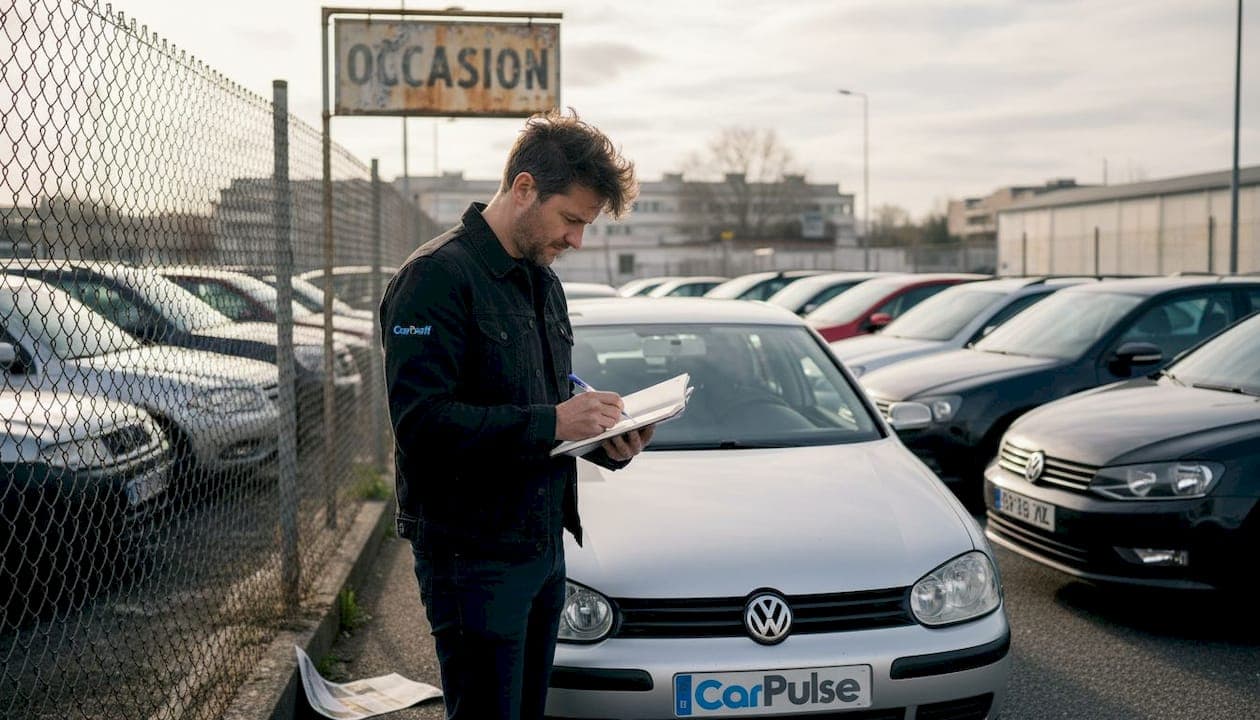
Buying a Used Car in Switzerland: Low Mileage and High Quality
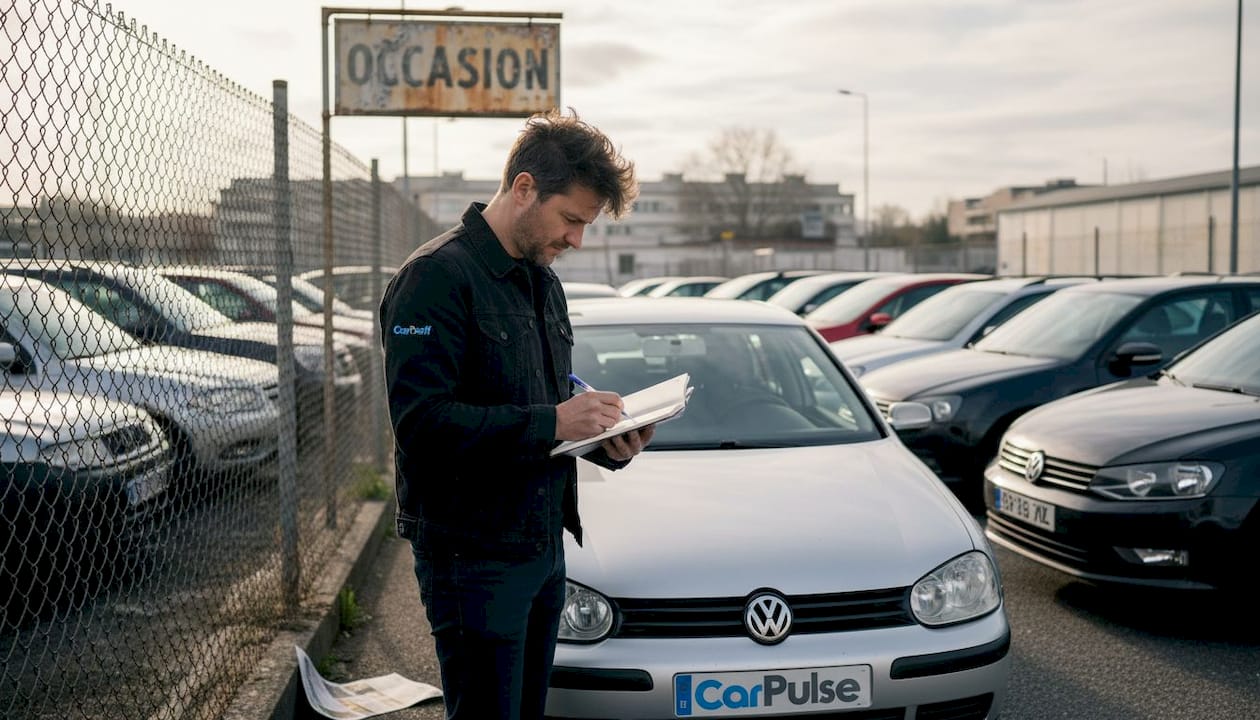
Summary:
- Switzerland's used car market is known for genuinely low mileage, meticulous maintenance, and well-documented service histories — the strong Swiss franc keeps vehicle upkeep standards high.
- Switzerland is outside the EU: importing a car to Italy requires a full customs declaration, Italian VAT at 22% on the purchase value, and complete re-registration. Additional costs start at around €1,500 and can exceed €3,000.
- The deal makes sense primarily for premium vehicles with very low mileage, where the price gap versus the Italian market clearly exceeds the total import overhead.
Switzerland consistently tops the list when European car buyers are looking for used vehicles with low mileage and impeccable history. Swiss owners average fewer kilometres than their European counterparts — the country is small, public transport is excellent, and the automotive culture prizes careful ownership over heavy use. The result is a second-hand market full of vehicles in near-showroom condition, with complete service books and minimal wear. The catch? Switzerland is not an EU member, which means every cross-border purchase involves a customs procedure, Italian VAT at 22%, and a registration process that starts from scratch. This guide walks you through everything from finding the right listing on AutoScout24.ch to driving away on Italian plates.
Why Switzerland: the case for CHF-maintained cars
The strong Swiss franc has an indirect but powerful effect on used car quality: servicing costs are high, which means Swiss owners actually do their services. Skipping a scheduled oil change or deferring brake work simply isn't as common as in some southern European markets. The typical Swiss private seller is a conservative owner who buys a new car every three to five years, services it meticulously, and sells it in genuinely excellent condition.
Another factor is geography. Switzerland is compact, and the rail network handles most long-distance travel. Many cars are used almost exclusively for weekend trips and short urban journeys. Finding a three-year-old executive saloon with under 30,000 km is not unusual — mileage figures that would make the same car feel practically new in Italy.
Premium segments are particularly well represented: BMW 5 Series, Mercedes E-Class, Audi A6 and Volvo V90 estates appear in large quantities on Swiss platforms, often at prices that — before import costs — look compelling compared to the Italian equivalent.
Where to find used cars in Switzerland
The Swiss used car market is concentrated on a few well-structured platforms:
- AutoScout24.ch — the dominant platform, with tens of thousands of listings from private sellers and dealers. Available in German, French, and Italian, making it accessible for Italian buyers directly.
- tutti.ch — Switzerland's equivalent of a classifieds marketplace, with a busy automotive section. Private sellers here are often more open to negotiation than dealers.
- Ricardo.ch — Switzerland's eBay-style auction platform. Interesting finds are possible, but pre-purchase inspection isn't always feasible, so proceed with caution.
- Local dealers near the border — dealers in Ticino, Basel and other border cantons are accustomed to Italian buyers and often help with export paperwork and COC documentation.
Before any offer, verify the vehicle's history via its VIN using CARFAX Europe or an equivalent report. Always cross-reference with the Swiss ASTRA registry or request the service book timbres. Compare the Swiss asking price with the Italian market on CarPulse to gauge whether there's a genuine saving once import costs are factored in.
Price ranges in CHF and how they compare to Italy
Swiss used car prices are denominated in Swiss francs (CHF — approximately 1 CHF ≈ 1.04 EUR at current rates, though this fluctuates). Typical price bands by category:
- Compact hatchbacks and city cars (Polo, Yaris, Panda): CHF 8,000–14,000 (≈ €8,300–14,500). After import costs, savings over Italy are usually marginal or negative.
- Family hatchbacks and saloons (Golf, Focus, Astra): CHF 12,000–22,000 (≈ €12,500–22,800). Potential saving on low-mileage, high-spec examples, but borderline.
- Mid-size SUVs (Tiguan, Tucson, RAV4): CHF 18,000–32,000 (≈ €18,700–33,200). Price gaps vs Italy can be meaningful on well-maintained examples.
- Premium saloons and estates (BMW 5, Mercedes E, Audi A6): CHF 25,000–55,000 (≈ €26,000–57,000). This is where the operation can genuinely pay off — especially for very low-mileage cars where the Italian equivalent commands a significant premium.
These prices, however, must be read before adding Italian VAT at 22%, shipping, customs agency fees, and re-registration. On a CHF 20,000 car, VAT alone adds roughly €4,400. Use the CarPulse valuation tool to check the Italian market value of the model you're targeting before committing.
The import procedure: Switzerland is non-EU, step by step
This is the critical difference versus buying in Germany, France or Austria. Switzerland is an EFTA member with extensive bilateral agreements with the EU, but it is not part of the EU customs union. Every import requires a full customs procedure at the Italian border.
- Purchase and Kaufvertrag — The Swiss sales contract (Kaufvertrag) must include seller and buyer details, VIN, price in CHF, date, and signatures from both parties. This document drives the entire customs process.
- Swiss deregistration (Abmeldung) — The car must be deregistered from the Swiss vehicle register before export. The seller obtains a deregistration certificate (Abmeldung), which is required at the Italian border.
- Customs declaration (DAU) at the Italian border — At an Italian customs crossing (Chiasso, Luino, Domodossola are the most common for Swiss imports), you present the vehicle and complete the Documento Amministrativo Unico (DAU). Engaging a licensed customs agent (spedizioniere doganale) for €200–400 is strongly recommended to avoid costly errors.
- Customs duties — Under the Switzerland-EU free trade agreement in force since 1972, vehicles of European or Swiss origin qualify for 0% tariff. You must prove origin with a EUR.1 certificate or supplier's declaration. Vehicles of non-European origin (Japanese, American brands originally imported into Switzerland) may face a 6.5% tariff.
- Italian VAT at 22% — The single largest cost. Applied on the customs value (essentially the purchase price plus transport costs). On a CHF 20,000 car, this is approximately €4,400–4,700, paid in cash at the border crossing. Used vehicles with more than 6 months in service and over 6,000 km are treated as used goods, but VAT at 22% applies on the declared import value regardless.
- Certificate of Conformity (COC) — Required for Italian registration. If the seller doesn't have it, it can be requested from the manufacturer for €100–300. Pay attention to CH-specific models: some Swiss-market vehicles have different technical specifications (headlights, ADAS systems) that don't match European type approval, potentially requiring individual homologation at €500–1,500 extra.
- Italian registration — At the Motorizzazione Civile (or STA in some regions) with all documentation: COC, Kaufvertrag, Abmeldung, customs VAT receipt, VIN inspection result. You receive a temporary registration document.
- IPT and PRA — The Imposta Provinciale di Trascrizione (IPT) is paid at ACI or PRA and varies by province and engine power (€150–400+). This completes the PRA transcription and yields the definitive Italian number plates.
Realistic total costs: run the numbers before you travel
For a car purchased at CHF 20,000 (approximately €20,800), here are the realistic additional costs:
- Italian VAT 22%: approx. €4,400–4,700
- Customs agent (spedizioniere): €200–400
- Transport — car transporter or self-drive: €300–600
- COC (if missing): €100–300
- Individual homologation (if CH-specific): €500–1,500
- Registration and stamp duty: €150–300
- IPT at ACI/PRA: €150–400
- Total overhead estimate: €1,500–3,100+ above purchase price
On that CHF 20,000 car, the total effective cost in Italy becomes €22,300–23,900+. The operation pays off only when an equivalent car in Italy costs at least €24,000–25,000. For mid-range vehicles, the margin is often thin or negative. For premium cars with genuinely low mileage — where the Italian market equivalent commands a €5,000–10,000 premium — the Swiss route can make strong financial sense. Always verify on CarPulse before deciding.
Key risks to know before buying
- CH-specific models: Some Swiss-market vehicles were never type-approved for the EU or have different specifications (headlights, DRL, safety systems). Verify the homologation number on the COC against European specifications before purchasing.
- CHF/EUR exchange rate volatility: The Swiss franc historically appreciates during global uncertainty. A 3–5% swing between negotiation and purchase can erode your calculated saving.
- Uncooperative sellers on paperwork: Some Swiss private sellers are reluctant to assist with export procedures. Agree on responsibilities in advance and document everything in the Kaufvertrag.
- VAT is due at the border, not later: Ensure you have sufficient liquidity at the moment of crossing. The customs agent can help with timing and logistics, but the payment itself cannot be deferred.
- Odometer fraud: Switzerland's market is generally trustworthy but not immune. Always request a CARFAX Europe report and check service book stamps carefully.
FAQ — Frequently asked questions about importing from Switzerland
Do I pay customs duties in addition to VAT when importing from Switzerland?
Generally no, if the car is of European or Swiss origin. The Switzerland-EU free trade agreement provides for a 0% tariff on qualifying vehicles. You need a EUR.1 certificate or supplier's declaration to prove preferential origin. Vehicles of non-European origin (Japanese or American brands originally imported into Switzerland) may be subject to a 6.5% duty on top of VAT.
Can I drive the car from Switzerland to Italy without Italian plates?
Yes, using Swiss export transit plates issued at the time of deregistration (Abmeldung). With these temporary export plates and the deregistration certificate, you can cross the border and drive to the Italian customs point. After completing the customs declaration, you proceed with Italian registration. Driving without proper export authorisation is an offence in both countries.
Does the process differ if I buy from a dealer versus a private seller?
The customs procedure is identical. The difference is in support: dealers near the Italian border (Ticino, Basel) are typically experienced with Italian buyers and can assist with deregistration, COC retrieval, and sometimes customs agent referrals. Private sellers are often less familiar with the export process. In both cases, the 22% VAT and customs declaration are mandatory.
Is buying in Switzerland better than searching for the same car in Italy?
It depends on the vehicle. For mid-range cars under €18,000, import costs usually eliminate the saving. For premium vehicles with very low mileage — where Italian equivalents command a significant premium — Switzerland can offer a genuine advantage of several thousand euros after all costs. Before travelling, compare prices on CarPulse to see what the Italian market offers and calculate your real net saving.
Conclusion: is a Swiss used car worth the effort?
Switzerland offers genuinely high-quality used cars — real low mileage, documented maintenance, and conservative ownership that makes every difference to long-term reliability. For the right vehicle, particularly in the premium segment, the Swiss market can deliver savings that comfortably absorb the €1,500–3,000+ in import overhead. But the numbers must work. The 22% Italian VAT is a fixed, unavoidable cost that changes the economics of every deal. Do the calculation honestly: check the Italian market price on CarPulse, add every import cost, and only then decide whether the Swiss option truly beats what's available at home. When it does, it's often by a margin that makes the trip well worth it.