Guides
Buying a used car in Verona: the complete guide
Buying a used car in Verona: the complete guide
Summary:
- Verona's used-car market benefits from its position at the Brennero corridor crossroads, making it one of the best-stocked markets in northern Italy for imported and pre-owned vehicles.
- Before handing over any money, always run a PRA record check (visura PRA) and verify there is no administrative hold (fermo amministrativo) on the vehicle.
- Budget an extra 300–500 € for the transfer of ownership (passaggio di proprietà), including provincial IPT tax, agency fees, and stamp duties at STA or ACI Verona.
Verona is one of the most strategically placed cities in Italy for buying a used car. Sitting at the junction of the A4 motorway (Milan–Venice) and the A22 Brennero corridor that links Italy to Austria and Germany, the city has long been a transit and logistics hub for the whole of northeastern Italy. That geographic advantage translates directly into the used-car market: dealers here handle a steady flow of well-maintained, low-mileage vehicles that have made their way south from Germany, Austria, and Switzerland — often at competitive prices compared to Milan or Rome. Whether you are an expat settling in Veneto, an international buyer looking for a specific model, or simply a first-time buyer navigating Italian bureaucracy, this guide gives you a clear roadmap from search to registration.
The Verona used-car market
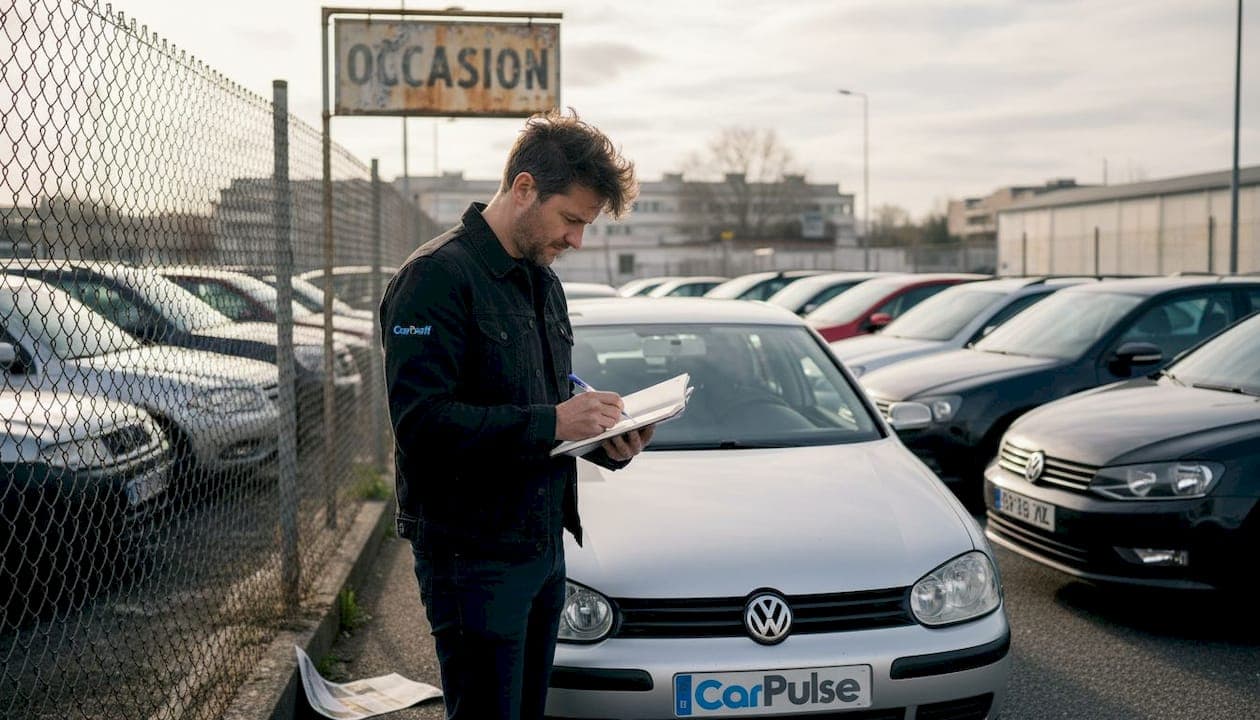
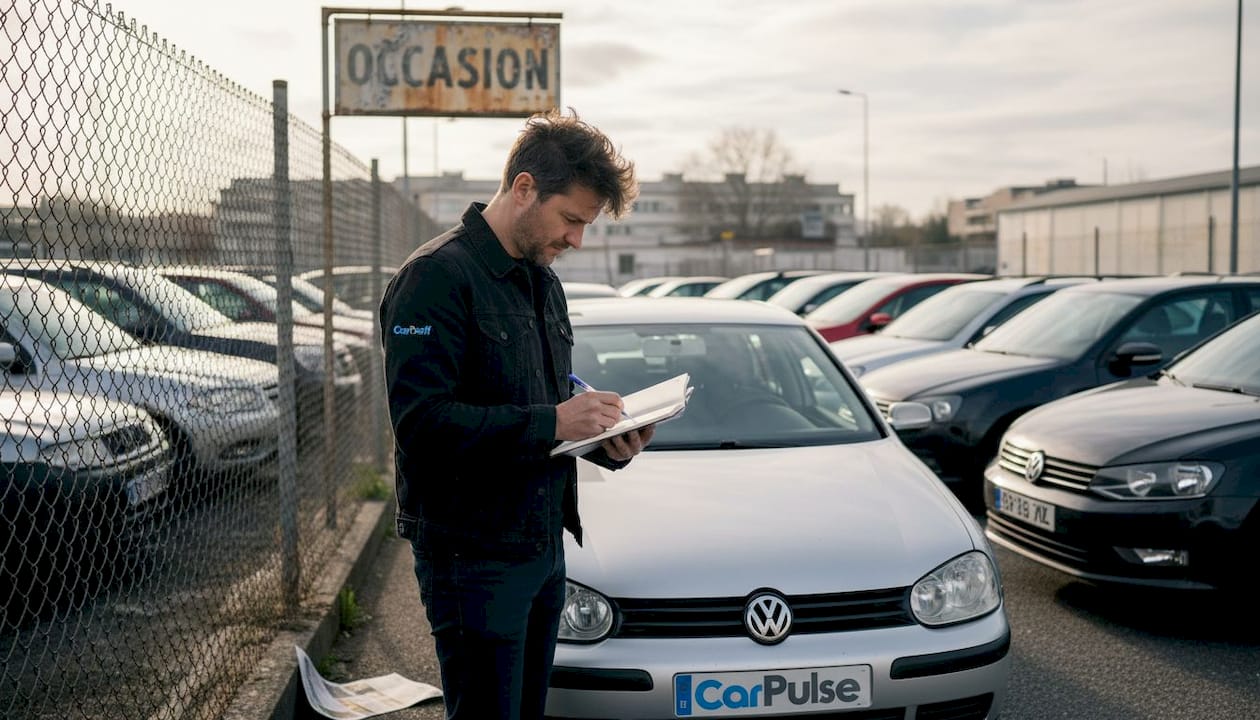
Verona's automotive ecosystem is shaped by three forces: its industrial and logistics base, the Brennero import corridor, and the affluent Veneto consumer culture. The province is home to dozens of franchised dealerships and hundreds of independent used-car lots, concentrated mainly along the Tangenziale Sud (ring road) and the industrial zones of Palazzolo and San Massimo. On any given weekend, private sellers fill the car parks of large retail parks in the eastern and western suburbs.
The Brennero angle is particularly useful for buyers who want German or Austrian-registered vehicles. A significant share of stock at Verona dealerships consists of ex-fleet or ex-leasing cars imported from Germany — typically three to five years old, with full service histories stamped in German, which can actually be a quality indicator. The Veneto region's own fleet of newer, lower-emission vehicles also feeds the local second-hand market as private owners upgrade.
For a broad picture of what is currently listed in and around Verona, you can browse used cars in Verona on CarPulse.it, which aggregates listings from dealers and private sellers across the province in one searchable interface.
Where to buy
You have four main channels:
- Franchised dealers. Groups like Autostrade Verona, Gruppo Bossoni, and the multi-brand lots along Via Gianico and the Tangenziale Sud offer certified pre-owned programmes, statutory warranties (12 months under Italian consumer law for private buyers), and in-house financing. Prices are higher than the private market, but the legal protections are stronger.
- Independent used-car lots. Concentrated in the industrial estates of Zai, San Giovanni Lupatoto, and Villafranca di Verona. Stock is broader and prices are more negotiable, but you need to do your own due diligence — always request a PRA printout before negotiating seriously.
- Private sellers. Autoscout24.it, Subito.it, and CarPulse.it list private ads. You can typically save 10–15 % versus dealer pricing, but there is no statutory warranty from a private party and no recourse if undisclosed defects emerge after the sale. A pre-purchase inspection from an independent mechanic (perizia) is money well spent.
- Online marketplaces. The same platforms above, plus OLX and Facebook Marketplace. Useful for price benchmarking even if you end up buying in person.
ZTL zones and what they mean for buyers
Verona's historic centre — the area inside the Roman walls, including Piazza Bra, Via Mazzini, and the Adige riverside — is a Zona Traffico Limitato (ZTL). Entry is controlled by UNAR cameras that read number plates 24 hours a day. Residents and businesses in the ZTL hold a contrassegno (permit disc) displayed in the windscreen; anyone else who drives through without authorisation receives an automatic fine, currently 87 € per infraction, rising to 174 € if not paid within five days.
Why does this matter when buying a used car? If the previous owner accumulated unpaid ZTL fines linked to the vehicle's number plate, those fines can sometimes trigger an administrative sequestration or remain attached to the vehicle's history in a way that complicates the transfer. More practically, if you are buying a car and intend to live or work inside the ZTL, you will need to apply for a permit at the Comune di Verona's mobility office — this is not automatic and takes several weeks to process. Confirm the vehicle's emission category (Euro 4 and below may face additional restrictions) before you commit.
Average prices in Verona (2026)
Verona's prices are broadly in line with the Veneto regional average, running slightly above the Italian national median for comparable cars due to generally higher-income buyers and better average condition of stock. As a rough guide:
- City cars (Fiat Panda, Toyota Aygo, VW Polo): 5,000–12,000 €
- Saloons and compact hatchbacks (Volkswagen Golf, Ford Focus, Alfa Romeo Giulietta): 8,000–20,000 €
- SUVs and crossovers (Jeep Compass, VW Tiguan, BMW X1): 12,000–35,000 €
- Premium and luxury (Mercedes C-Class, BMW 3 Series, Audi A4): 18,000–45,000 €
Before entering any negotiation, it is worth spending five minutes to check the market price for the specific make, model, year, and mileage you are looking at. Knowing the going rate prevents overpaying and gives you a credible anchor for negotiation.
What to check before buying
Italian bureaucratic checks are not optional — they are essential. Run each of the following before signing anything:
- Visura PRA (PRA record check). The Pubblico Registro Automobilistico (PRA) is the national vehicle registry held by ACI. A visura PRA costs around 9–15 € and tells you the registered owner, the vehicle's history of ownership transfers, whether any mortgage (ipoteca) has been registered against the vehicle, and whether there is an active fermo amministrativo.
- Fermo amministrativo. An administrative hold placed by the tax authority (Agenzia delle Entrate-Riscossione) or a court. If the vehicle has a fermo, it legally cannot be sold until the underlying debt is settled. Buying a car with an undisclosed fermo is one of the most common used-car scams in Italy — always check.
- Revisione (roadworthiness test). Italy requires a mandatory roadworthiness inspection every two years (first inspection at four years for new vehicles). Check the date on the libretto di circolazione (vehicle registration document). If the revisione is overdue or close to expiry, factor the cost and hassle into your offer.
- Libretto di circolazione and certificato di proprietà. The registration document and ownership certificate must match the seller's identity document exactly. Any discrepancy is a red flag.
- Service history (tagliando). Stamped booklet or digital printout from authorised service centres. Particularly important for diesel vehicles over 100,000 km.
How to transfer ownership
The passaggio di proprietà (transfer of ownership) is a formal legal act that must be completed at the Sportello Telematico dell'Automobilista (STA), at ACI Verona offices (Via della Valverde 34), or through any licensed pratiche auto agency (there are dozens scattered across the province, often near post offices and STA points). The parties must appear together or grant a notarised power of attorney.
The costs involved:
- Imposta Provinciale di Trascrizione (IPT): A provincial tax calculated on the vehicle's fiscal horsepower and age. For a typical used car, expect to pay 150–300 €. The Province of Verona sets its own IPT rate.
- PRA registration fee: Fixed national fee, currently around 32 €.
- Stamp duty (bollo): Roughly 32 € per transaction.
- Agency fee: If you use a pratiche auto agency (recommended unless you are fluent in Italian and comfortable with the paperwork), expect to pay 80–150 € for their service.
All in, budget 300–500 € on top of the purchase price to complete the transfer. Processing typically takes 5–15 working days, after which the new certificato di proprietà is issued electronically.
FAQ
Can I buy a car in Verona as a foreign national without an Italian residence?
Yes. You can purchase and register a vehicle in Italy as a foreign national, but you will need a valid identity document (passport), a codice fiscale (Italian tax number, obtainable at any Agenzia delle Entrate office in minutes), and an Italian address for the registration documents. Without Italian residency, insurance can be more expensive — shop around with brokers familiar with non-resident buyers.
How do I check for a fermo amministrativo before buying?
Request a visura PRA from any ACI office, STA point, or pratiche auto agency. The report explicitly lists any active fermo amministrativo. You can also order it online via the ACI website using the vehicle's licence plate and chassis number (telaio). Cost is under 15 € and the result is immediate online.
What warranty do I get when buying from a dealer?
Under Italian consumer law (D.Lgs. 206/2005 as amended in 2022 to implement EU Directive 2019/771), dealers are obliged to provide a minimum 12-month conformity warranty to private buyers (consumers). This cannot be waived or reduced in the contract. The warranty covers hidden defects that exist at the time of purchase and that manifest within 12 months. If the dealer refuses to honour it, you can file a complaint with the local Camera di Commercio or seek mediation through Confconsumatori Verona.
Is it safe to buy a car from a German-registered import through a Verona dealer?
Generally yes, provided you verify the Italian re-registration has been properly completed and the vehicle has a valid Italian libretto di circolazione. Check that the VIN on the car matches the document, and confirm the revisione has been carried out to Italian standards. German-import cars often have excellent service histories and lower mileage for their age, making them a popular choice among informed buyers in the Brennero corridor area.
Conclusion
Buying a used car in Verona is a rewarding process if you approach it methodically. The city's position on the Brennero corridor means exceptional stock variety, competitive pricing, and a mature dealer network with genuine experience in imported vehicles. The bureaucratic side — PRA checks, ZTL awareness, and the passaggio di proprietà — is manageable once you know the steps, and a good pratiche auto agency will walk you through it for a reasonable fee.
Start your search on CarPulse.it, run your PRA check before committing, and budget roughly 400 € on top of the purchase price for transfer costs. Do those three things and you will navigate the Verona used-car market with confidence.