Guides
Buying used cars in Belgium: complete guide 2026
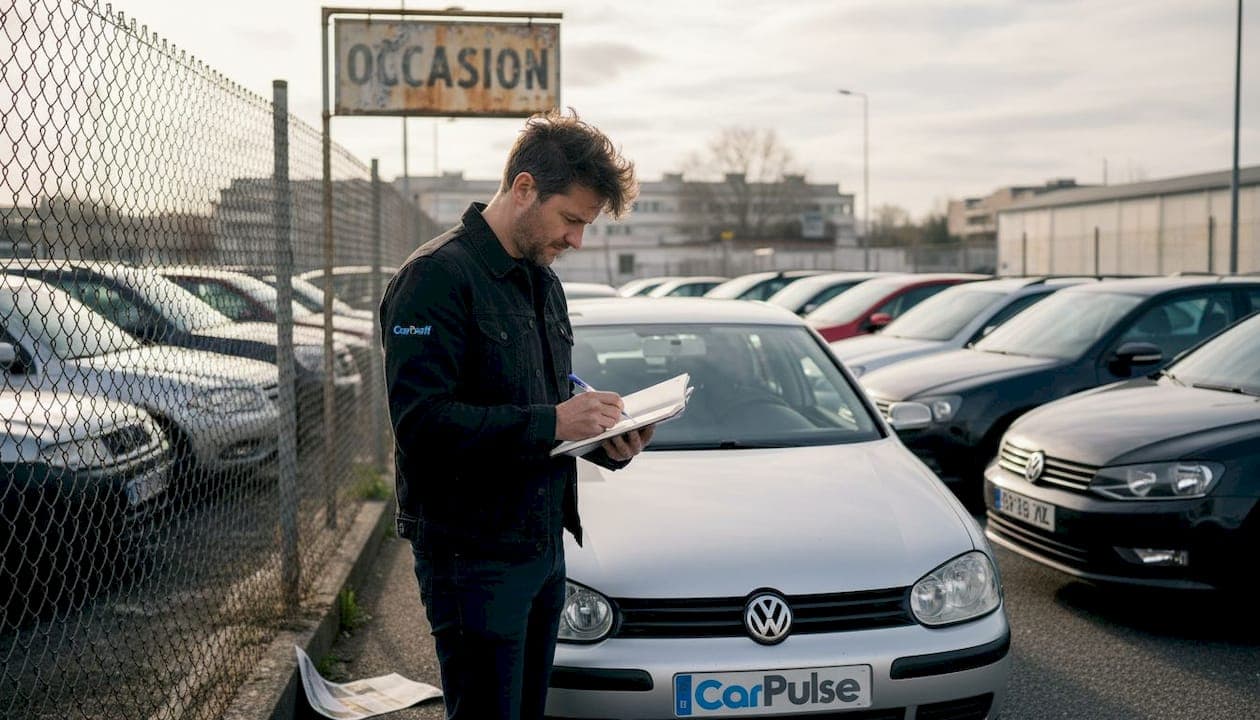
Buying used cars in Belgium: complete guide 2026
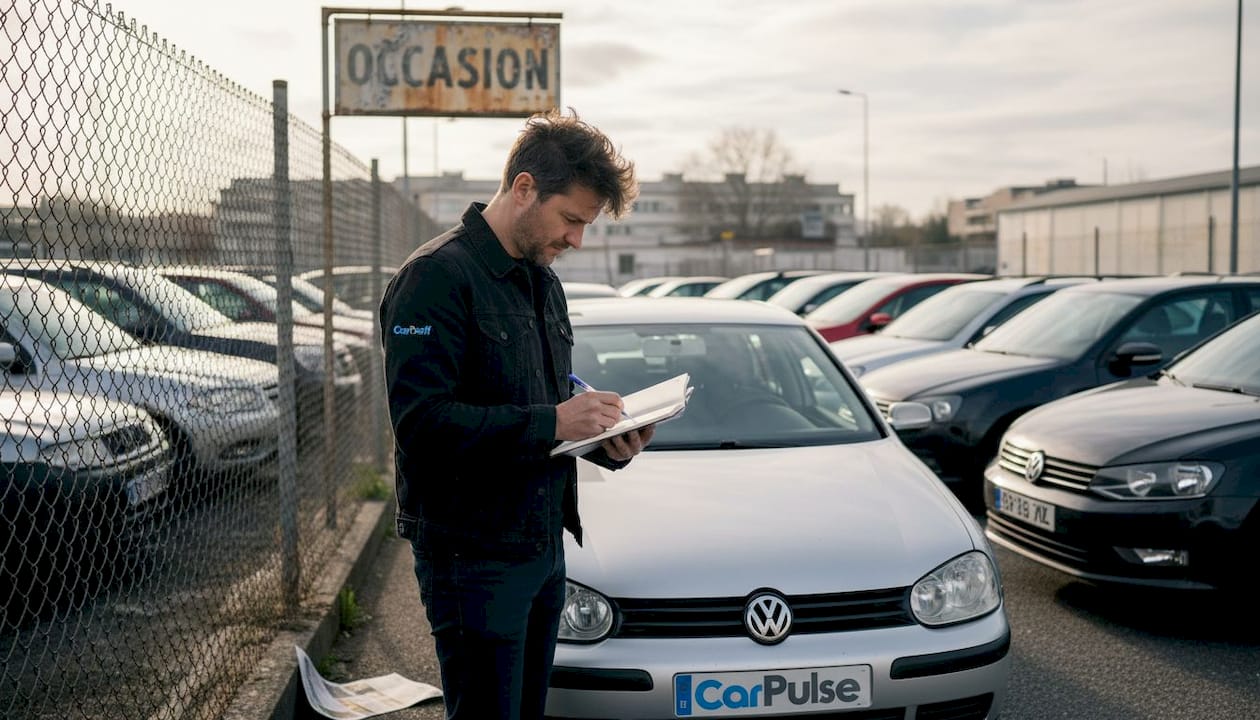
Summary:
- Belgium offers used cars at prices typically 10–20% below Italian and French equivalents, driven by a constant flow of de-registered company fleet vehicles.
- As a fellow EU member state, there are no import duties — only a COC, the Belgian registration document and a bill of sale are needed to register in Italy.
- Platforms like 2dehands.be, Autoscout24.be and CarPulse let you compare Belgian listings alongside the rest of Europe in one place.
Looking for a way to save thousands on your next car without sacrificing quality or reliability? Buying a used car in Belgium is one of Europe's best-kept open secrets — lower prices, rigorous technical inspections, a massive choice of fleet-sourced vehicles, and zero customs headaches for EU buyers. This complete guide covers everything: why Belgium stands out, where to find listings, what the average prices look like, how to import and register the car in Italy, which documents you need and which risks to avoid. Start right now — browse verified used cars on CarPulse and benchmark European prices before you even book your trip.
Why buy a used car in Belgium
Belgium punches well above its weight in the European used-car market. Several structural factors make it consistently attractive for cross-border buyers.
Competitive pricing. The Belgian used-car supply is fed by a steady stream of de-registered company cars and rental fleet vehicles returned every two to three years. Belgian and pan-European companies headquartered in Brussels renew their fleets quickly, flooding the market with well-maintained vehicles at accessible prices. For the same make, year and mileage, Belgian prices are typically 10–20% below Italy.
High maintenance standards. Belgium's mandatory technical inspection — the contrôle technique (French-speaking south) or keuring (Flemish north) — is thorough and strictly enforced. A car displaying a valid inspection certificate has passed a rigorous multi-point check, giving buyers a meaningful baseline guarantee.
Multilingual listings. Belgium has three official language communities — French, Dutch and German — and most listing portals publish descriptions in at least two languages. Even buyers who don't speak Dutch will usually find French or English vehicle spec sheets without difficulty.
Wide model range. From city hatchbacks to executive SUVs, Euro 6 diesels to plug-in hybrids, the Belgian market covers every segment. Estate cars and premium sedans are particularly abundant, a direct result of Belgian corporate car culture.
Where to search for used cars in Belgium
Using the right platforms is essential. Here are the main channels to explore.
2dehands.be is Belgium's leading general classifieds marketplace — the local equivalent of Italy's Subito.it. The automotive section runs to tens of thousands of listings from private sellers and dealers. The interface is primarily in Dutch but works well with auto-translate.
Autoscout24.be is the Belgian edition of the well-known pan-European portal, heavily used by professional dealers. It offers advanced filtering by mileage, fuel type, Euro emission standard and price, plus email alert subscriptions for new matching listings.
Gocar.be is a specialist portal aggregating listings from professional Belgian dealers. Ideal if you prefer buying from an authorised reseller rather than a private individual.
CarPulse — pan-European reach. If you want to compare Belgian prices against Italian, Albanian or German alternatives in a single, unified interface, CarPulse is the platform to use. With over 24,000 verified listings and an AI price valuation tool that cross-references live market data, you can instantly judge whether a Belgian asking price is a genuine bargain or merely average.
Professional auctions. If you are willing to travel to Belgium in person, professional auction houses such as BCA and Athlon Car Lease regularly sell entire corporate fleets at wholesale prices. Access typically requires registering as a trade buyer, but a local broker can facilitate entry.
Average used-car prices in Belgium
Here is an overview of the most common price ranges on the Belgian used-car market in 2026. These are indicative brackets that vary by year, mileage, trim level and overall condition.
- City cars and compact hatchbacks (VW Polo, Renault Clio, Ford Fiesta, Opel Corsa): €6,000–€14,000
- Mid-range saloons and estate cars (VW Golf, Peugeot 308, Toyota Corolla Touring Sports): €10,000–€22,000
- Compact SUVs and crossovers (Dacia Duster, Hyundai Tucson, Kia Sportage, Opel Mokka): €12,000–€28,000
- Premium saloons and luxury SUVs (BMW 3 Series, Mercedes C-Class, Audi A4, Volvo XC60): €18,000–€40,000
- Electric and plug-in hybrid (Tesla Model 3, Peugeot e-208, BMW 330e): €16,000–€45,000
Compared to the Italian market, equivalent vehicles in Belgium cost an average of 10–18% less. The saving is most pronounced on premium models and large estate cars, historically purchased as company cars in Belgium and then released into the used market in volume.
Always factor in the additional costs: travel or shipping to Belgium, any repairs required before Italian registration, Italian Provincial Transfer Tax (IPT) and agency administration fees.
Importing and registering in Italy
Because Belgium is an EU member state, importing a car to Italy is far simpler than bringing one in from outside the EU. There are no customs duties and the process is well-standardised.
Getting the car to Italy. If the car is roadworthy and you have a short-term insurance policy valid in Belgium, you can drive it to Italy yourself. Alternatively, you can use a professional car transporter (bisarca) at an indicative cost of €300–€600 depending on distance.
Documents required for Italian registration:
- COC (Certificate of Conformity) — issued by the manufacturer, certifying that the vehicle meets EU standards. If missing, the Belgian seller or dealer can request it from the manufacturer.
- Belgian vehicle registration certificate (carte grise / inschrijvingsbewijs) — the original circulation document.
- Bill of sale (acte de vente / verkoopsovereenkomst) — a contract signed by both seller and buyer with all vehicle details.
- Identity document — passport or national ID card of the buyer.
Procedure at Motorizzazione Civile / STA / ACI:
- Submit the above documents to the foreign vehicle desk at your local Motorizzazione Civile office (or through an automotive practice agency).
- Pay the IPT (Imposta Provinciale di Trascrizione) to ACI/PRA — amount varies by province and vehicle class, typically between €150 and €400.
- Receive Italian provisional plates, followed by permanent Italian plates (targhe italiane).
Average timelines for full Italian registration range from 30 to 60 working days, depending on province and caseload. Many buyers use an automotive practice agency (cost: €100–€200) to streamline the process.
Taxes and documents: what you need to know
No customs duty. Italy and Belgium are both in the EU. No import tariffs apply. This is one of the main advantages over buying from non-EU countries such as Switzerland or the United Kingdom.
Belgian VAT vs Italian VAT. If you buy from a Belgian private seller, no VAT is due in Belgium. If you buy from a Belgian dealer, they may charge Belgian VAT (21%). As a private Italian buyer you cannot recover Belgian VAT, but you may be able to negotiate a VAT-exempt export sale — check with the dealer. If you are an Italian business with a VAT number, you can apply for a Belgian VAT refund and pay Italian VAT (22%) upon registration.
Annual road tax (bollo auto). Once registered in Italy, the vehicle is subject to the normal annual ownership tax, calculated on engine power in kW.
RCA insurance. Before driving the car from Belgium to Italy, take out a temporary RCA policy valid across all EU countries.
Complete document checklist:
- COC (Certificate of Conformity)
- Belgian vehicle registration certificate (carte grise / inschrijvingsbewijs)
- Signed bill of sale
- Passport or national ID card
- Italian tax code (codice fiscale) for Italian procedures
- Temporary insurance policy
Risks to avoid and pre-purchase checklist
Buying a car abroad carries a few extra risks compared to a domestic purchase. Here is what to watch out for and how to protect yourself.
Confirm the COC before you commit. Without the Certificate of Conformity, Italian registration becomes significantly more complex and expensive, requiring an individual technical appraisal. Always confirm its availability before signing anything.
Check the technical inspection validity. The Belgian inspection schedule differs from Italy's: first at 4 years from first registration, then every 2 years. Verify that the current inspection is valid; if not, factor this into your price negotiation.
Verify no outstanding liabilities. In Belgium you can check online whether a vehicle has unpaid fines or administrative blocks. Ask the seller for an extract from the Belgian vehicle register and check the VIN against European databases such as Carfax Europe or Eurotax.
Watch for flood damage. Belgium experienced significant flooding in some regions (notably the Liège area in 2021). Carefully inspect carpets, seats and the engine bay for signs of moisture, internal rust or persistent damp odours.
Left-hand or right-hand drive? Belgium, like Italy, drives on the right. There is no steering-wheel adaptation issue, unlike with vehicles sourced from the United Kingdom.
Pre-purchase checklist:
- COC available and original
- Technical inspection (keuring/contrôle technique) valid
- No outstanding fines or administrative blocks
- VIN verified on European database
- Physical inspection for flood damage
- Documented service history (carnet d'entretien)
- Test drive completed before signing
Why use CarPulse for your European purchase
When evaluating a cross-border purchase, having a single reference point to compare prices across Europe makes all the difference. CarPulse is a pan-European used-car marketplace connecting verified buyers and sellers across Italy, Albania, Belgium and the wider continent.
With over 24,000 active listings, you can use the AI price valuation tool to determine in seconds whether a Belgian asking price is in line with the market, whether it beats a comparable Italian alternative, or whether there is a better deal closer to home. Sellers are verified, vehicle information is certified, and listings under €10,000 are completely free to post.
If you have bought a car in Belgium and completed Italian registration, you can list it for free on CarPulse and reach buyers right across Europe.
Frequently Asked Questions
Do I have to pay customs duties to bring a car from Belgium to Italy?
No. Belgium and Italy are both European Union member states. Vehicles move freely between EU countries without customs duties. The only charges payable in Italy are the IPT (Imposta Provinciale di Trascrizione) and the standard annual road tax.
How long does it take to register a Belgian car in Italy?
Timelines range from 30 to 60 working days depending on the province and the workload of the local Motorizzazione Civile office. Using a professional automotive practice agency reduces the timeline and removes most of the administrative burden.
What happens if the Belgian car has no COC?
Without the Certificate of Conformity (COC), Italian registration requires a much longer and more expensive alternative procedure involving an individual technical appraisal. Always confirm COC availability before committing to purchase.
Is it better to buy from a private seller or a Belgian dealer?
Private sellers offer lower prices but fewer guarantees. Dealers typically provide a valid technical inspection, complete documentation and sometimes an after-sales warranty. For a cross-border purchase, the extra security of a dealer can be worth the slightly higher price.
Conclusion
Buying a used car in Belgium is a practical, rewarding strategy for anyone who wants to save money without compromising on quality. Prices typically running 10–20% below the Italian market, well-maintained company-sourced vehicles, rigorous technical inspections and zero customs barriers make Belgium one of Europe's most attractive sourcing destinations. With the right preparation — documents in order, VIN verified, COC in hand — a cross-border purchase is well within reach for any buyer. Start today: browse verified used cars on CarPulse and find your next car at the best price in Europe.