Guides
Buying used cars in the Netherlands: complete guide 2026
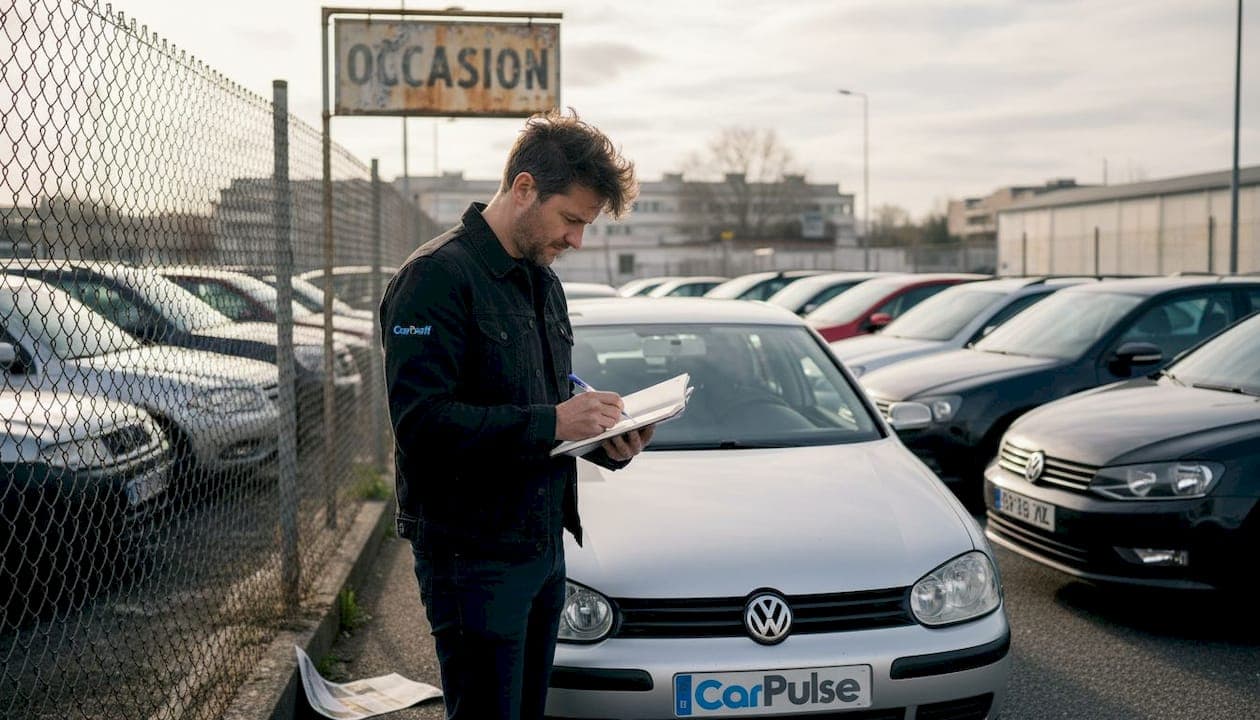
Buying used cars in the Netherlands: complete guide 2026
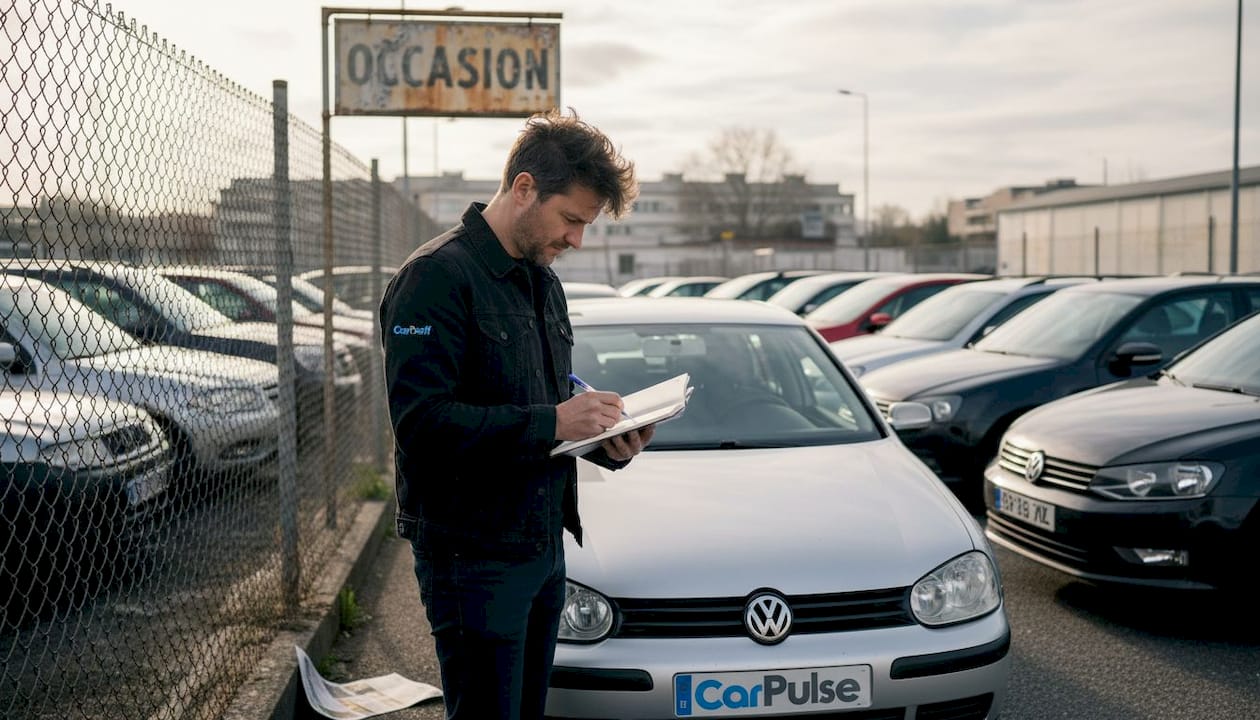
Summary:
- Why the Netherlands is one of Europe's best used-car markets for Italian buyers
- Where to find listings and how to verify a vehicle before buying
- Real price comparisons and realistic savings after import costs
- Step-by-step Italian registration procedure for a Dutch car
- Required documents, total costs, risks and a practical pre-purchase checklist
Why buy a used car in the Netherlands?
The Netherlands is home to one of the densest and most transparent used-car markets in Europe. A combination of high car-ownership rates, a large corporate-fleet sector and stringent roadworthiness regulations means that Italian buyers willing to look north can find exceptionally well-maintained vehicles at prices that are simply not available in the domestic market.
Dutch vehicles are subject to the APK (Algemene Periodieke Keuring), the Netherlands' official roadworthiness inspection. From the fourth year of a vehicle's life, the APK is required annually. This annual check covers everything from brake performance and tyre condition to emissions and lighting — and the results are registered in the national RDW database, creating a fully auditable service and inspection history. For an Italian buyer, this means far less guesswork about a car's mechanical past than you would typically face when buying locally.
The Dutch market also offers an unusually broad selection of models. Petrol, diesel, hybrid and fully electric vehicles are all well-represented, and a significant share of available stock comes from corporate fleets — meaning relatively young cars with predictable mileage, regular maintenance and full documentation. Mainstream European brands such as Volkswagen, BMW, Mercedes-Benz, Audi, Renault and Ford are particularly well-stocked.
On price, Dutch used-car values tend to run 10 to 25 per cent below equivalent Italian market values for comparable makes, models and mileage bands. That gap is wide enough to absorb the cost of transport and registration and still leave meaningful savings in your pocket.
Where to search for vehicles
The Dutch used-car market is predominantly online, with several platforms that aggregate tens of thousands of listings at any given time.
- Marktplaats.nl — the Netherlands' largest general classifieds site, with a vast automotive section covering both private sellers and dealers.
- AutoTrack.nl — a specialist automotive marketplace with detailed filtering by make, model, year, mileage and price.
- Autoscout24.nl — the Dutch arm of the pan-European AutoScout24 network, useful for cross-border price comparison.
For Italian buyers looking for a more integrated experience, CarPulse is a pan-European used-car marketplace that aggregates verified listings across Italy, the Balkans and the wider EU, offering AI-powered price valuation and vehicle history checks from a single interface — without needing to navigate Dutch-language sites.
Regardless of which platform you use, it is strongly recommended that you inspect the vehicle in person before committing to a purchase. If travel is not practical, consider hiring a certified local Dutch inspector. Several independent inspection services operate across the Netherlands and will produce a written technical report for a fee of around €100–€200. This is a modest investment relative to the price of the car and can save you from expensive surprises.
Prices and realistic savings
To give you a concrete sense of the price differential, here are typical ranges for some of the most popular models in both markets as of 2026:
- VW Golf 2019, ~90,000 km: €10,000–€14,000 in the Netherlands vs €13,000–€17,000 in Italy
- BMW 3 Series 2018, ~80,000 km: €16,000–€22,000 in the Netherlands vs €20,000–€27,000 in Italy
- Renault Clio 2020, ~50,000 km: €8,000–€11,000 in the Netherlands vs €10,000–€14,000 in Italy
These ranges are indicative and will vary with condition, trim level and negotiation, but the pattern is consistent: the Dutch market price is meaningfully lower across the board.
However, you should budget realistically for the additional costs of importing. Transport, registration fees, provincial tax and insurance will typically add €700–€1,500 to your total outlay. After accounting for all of these, net savings of €2,000–€5,000 are a reasonable expectation for mid-range vehicles — and potentially more for premium models where the price gap is wider.
Importing and registering in Italy: step by step
Because the Netherlands is a member of the European Union, importing a used car to Italy involves no customs duties and no VAT on private vehicles already in circulation (see the FAQ section for the precise conditions). The process is administrative rather than complex, but it requires careful attention to documents and sequence.
- Complete the purchase. Agree the price, sign the act of sale (koopovereenkomst) and receive the Dutch kentekenbewijs (registration certificate) from the seller. Critically, also obtain the Certificate of Conformity (COC) — the European technical document that confirms the vehicle meets EU standards. If the seller does not have it, they can request a duplicate from the vehicle's manufacturer or from the Dutch RDW authority.
- Transport the vehicle to Italy. You have two practical options: drive the car on its Dutch plates using a written transfer authorisation from the seller (keep it on board at all times), or arrange professional transport via a car transporter. Costs for a transporter from the Netherlands to northern Italy are typically €300–€800 depending on the service and pickup/delivery points. Driving it yourself costs roughly €150 in fuel and takes a full day.
- Obtain Italian insurance before registration. You cannot register the vehicle in Italy without valid Italian insurance. Contact your insurer in advance, providing the vehicle's VIN and technical data from the COC. Many insurers will issue a temporary policy pending the Italian plates.
- Visit the Sportello Telematico dell'Automobilista (STA). The STA — or your local Motorizzazione Civile office — is where Italian registration takes place. Bring the COC, the Dutch kentekenbewijs, the signed act of sale, a copy of the seller's identity document and your own identity document and insurance certificate.
- Pay the IPT (Imposta Provinciale di Trascrizione). This is a provincial transfer tax that varies by province and by the vehicle's engine output in kilowatts. For a standard passenger car it typically falls in the range of €150–€400.
- Receive Italian plates and carta di circolazione. Once all documents are verified and fees paid, you will be issued Italian number plates and a carta di circolazione. The process typically takes 1 to 3 weeks depending on the STA's workload and the completeness of your documentation.
Documents and total costs
Being fully prepared with the right paperwork will prevent delays at the STA. Here is what you need:
- COC (Certificate of Conformity) — essential. Without it, the Motorizzazione Civile cannot register the vehicle. Request it from the seller; if unavailable, the manufacturer or RDW can provide a duplicate.
- Kentekenbewijs — the Dutch vehicle registration certificate (Part I and Part II where applicable).
- Koopovereenkomst — signed act of sale from the seller, showing date, price and both parties' details.
- Copy of seller's identity document — required by Italian registration authorities.
- Italian insurance certificate — must be in place before the vehicle is registered.
Total costs beyond the purchase price typically break down as follows:
- Transport: €300–€800 (transporter) or ~€150 (drive it yourself)
- STA / Motorizzazione fees: €50–€100
- IPT: €150–€400 depending on province and engine kW
- Italian insurance: variable — get quotes early
- Optional Dutch inspector: €100–€200
Total overhead: typically €700–€1,500 on top of the purchase price.
Risks and pre-purchase checklist
The Dutch market is generally transparent, but no used-car purchase is without risk. Here are the main areas to watch:
Odometer tampering. Check the declared mileage against the free RDW Mijn Voertuig portal — enter the Dutch licence plate number and you will see the full APK history with mileage readings at each inspection. Any discrepancy between the recorded mileage history and the seller's claim is an immediate red flag.
APK validity. The APK sticker on the windscreen shows the expiry date. A car with a current APK has passed its most recent roadworthiness inspection. Verify the date and cross-check it on the RDW portal.
Outstanding finance or liens. Ask the seller to provide a clearance declaration confirming the vehicle is free of outstanding finance. You can also request a check via the RDW or a Dutch automotive legal service.
Steering wheel side. The Netherlands drives on the right, as does Italy, so there is no issue with right-hand-drive conversions. All Dutch-registered cars are left-hand drive.
Language and document translation. Dutch documents may require an official Italian translation for STA processing. Check with your local Motorizzazione in advance to avoid last-minute delays.
Payment security. Never transfer the full purchase amount before you have inspected the vehicle in person and verified its documents. Use a bank transfer with a clear payment reference that includes the vehicle's VIN.
Pre-purchase checklist:
- ✓ COC obtained from seller
- ✓ Kentekenbewijs (Parts I and II) in hand
- ✓ APK current and verified on RDW portal
- ✓ Mileage verified via RDW Mijn Voertuig history
- ✓ No outstanding finance confirmed
- ✓ Act of sale (koopovereenkomst) signed by both parties
- ✓ Italian insurance obtained before driving or shipping
Why use CarPulse for your search
CarPulse is a pan-European used-car marketplace that connects buyers and sellers across Italy, the Balkans and the wider EU. With over 24,000 verified listings, AI-powered price valuation and integrated vehicle history checks, it removes much of the friction from cross-border car buying.
Key advantages for buyers considering a Dutch import:
- Verified sellers — listings are checked to reduce the risk of fraud and misrepresentation.
- AI price valuation — instantly benchmark any listing against real market data so you know whether a Dutch price is genuinely competitive.
- Free listings under €10,000 — sellers across the EU can list at no cost, meaning strong inventory in the budget segment.
You can browse verified listings directly on the platform, or use the AI price valuation tool to assess the fair market value of any vehicle you are considering before you travel to inspect it.
Frequently asked questions
Do I have to pay VAT when buying a used car in the Netherlands?
No. For private vehicles already in circulation for more than 6 months with more than 6,000 km, the transaction is an intra-EU transfer of used goods between private individuals and VAT does not apply. The exception is vehicles that are less than 6 months old or have fewer than 6,000 km — these are classified as "new vehicles" under EU rules and VAT is chargeable.
What is the COC and why do I need it?
The Certificate of Conformity is the European technical document certifying that the vehicle meets EU standards in terms of safety, emissions and technical specifications. Without a COC, the Italian Motorizzazione Civile cannot register the vehicle. Always confirm that the seller can provide it before agreeing to purchase.
Can I drive the car on Dutch plates all the way to Italy?
Yes, provided you have written authorisation from the seller and valid insurance coverage for the journey. Keep all purchase documents — the act of sale, the kentekenbewijs and the written authorisation — on board during the entire journey in case you are stopped by police in any transit country.
How long does it take to register a Dutch car in Italy?
Typically 1 to 3 weeks at the Sportello Telematico dell'Automobilista, depending on local workload and the completeness of your documents. Arriving with all paperwork in order — including the COC, the signed act of sale and Italian insurance — will minimise delays.
Conclusion
Buying a used car in the Netherlands and importing it to Italy is a well-established route that can yield genuine savings of €2,000–€5,000 or more on a mid-range vehicle. The Dutch market's rigorous APK inspection system, transparent RDW database and deep stock of corporate-fleet vehicles make it one of the most reliable sources of quality second-hand cars in Europe. The import procedure is entirely manageable for a private buyer willing to prepare the right documents and spend a few hours at the Sportello Telematico dell'Automobilista.
The keys to a successful purchase are simple: verify the vehicle's history before you buy, ensure the COC is available, arrange Italian insurance before the car moves, and budget honestly for transport and registration on top of the purchase price. Done right, the process is straightforward and the savings are real.
If you are ready to start browsing, list your car free on CarPulse or explore thousands of verified listings across the EU at CarPulse.