Guides
Buying Used Cars in Romania: Complete Guide 2026
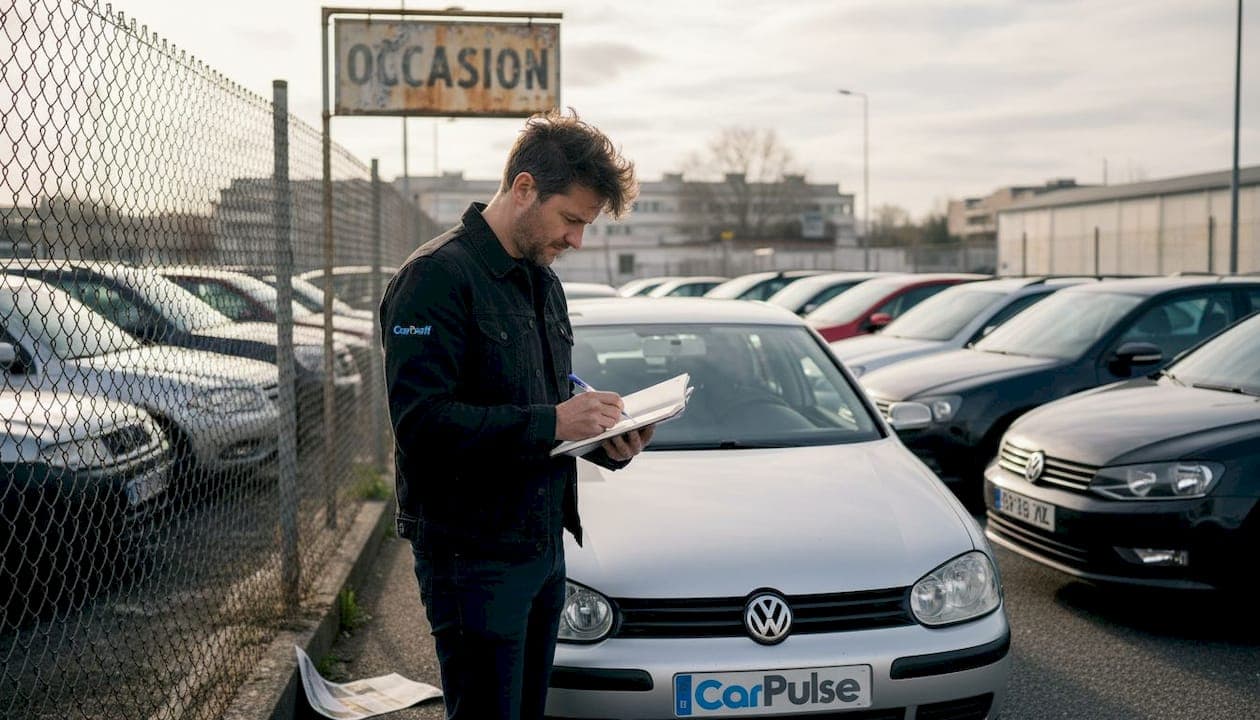
Buying Used Cars in Romania: Complete Guide 2026
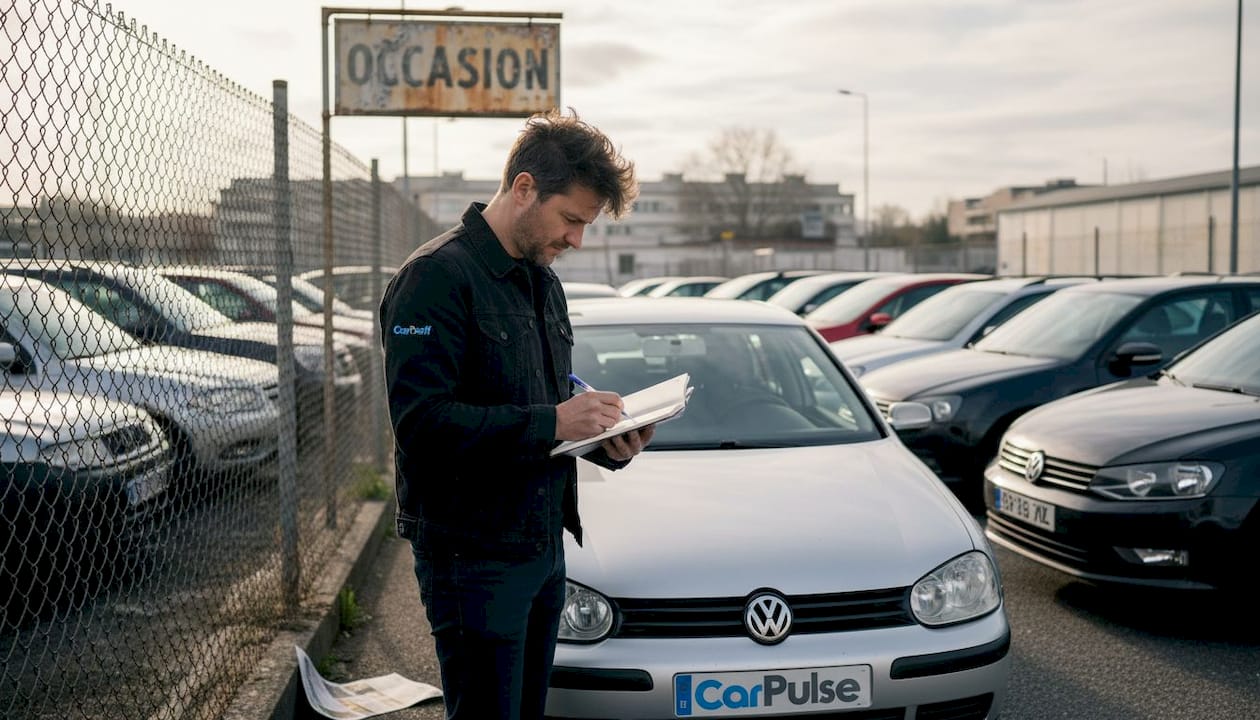
Summary:
- Romania is an EU member: no customs duties for Italian citizens buying a private vehicle there.
- Used car prices in Romania are on average 20–40% lower than in Italy for equivalent models.
- Re-registration in Italy takes 2–4 weeks with complete documentation.
- Main risks: odometer fraud and flood damage — always arrange a physical inspection or hire a local expert.
- You can find verified listings on CarPulse.it, the pan-European marketplace with AI price valuation and over 24,000 active listings.
Europe's used car market is vast, but few Italian buyers look eastward. Yet Romania — an EU member since 2007 — offers genuine opportunities for those looking to change their car without overspending. Lower prices, free movement of goods within the EU, and the growing digitalization of the Romanian car market make this route accessible even to first-timers. If you want to start right away, browse listings on CarPulse.it and compare prices with your local market.
Why Buying a Used Car in Romania Makes Sense
Romania has one of the most active used car markets in Eastern Europe. The reasons are historical and structural: the country imported large quantities of Western European vehicles for decades, and today the car fleet is broad and varied. This creates an abundant supply, especially in the lower and mid-price segments.
For an Italian buyer, the three key advantages are:
- No customs duties. Since both countries are EU members, private purchases between individuals carry no customs costs. If the seller is a private individual who has already paid VAT on the vehicle, there is no additional value-added tax to pay in Italy.
- Lower prices. Average purchasing power in Romania remains lower than in Italy, which is reflected in used car prices. You can find the same model with the same mileage at significantly more competitive prices.
- Diverse supply. The Romanian market offers an excellent selection of Volkswagen, BMW, Ford, Opel, and of course Dacia — the home-grown brand with very low maintenance costs and affordable spare parts across the entire European territory.
Additionally, Romania joined the Schengen Area in December 2023 (land borders from March 2024), further simplifying cross-border travel and documentation checks at the frontier.
Where to Search for Used Cars in Romania
Searching for a car in Romania can be done through several channels, each with its own characteristics:
- OLX.ro — Romania's primary general-purpose classifieds portal. The car section is very rich, with filters for region, make, year, and price. Ideal for affordable cars from private sellers.
- AutoVit.ro — the largest specialized used car portal in Romania. Interface similar to Subito.it, with detailed technical sheets and photos. Recommended for systematic price comparison.
- Mobile.de — the German portal that aggregates listings from across Europe, including Romania. Useful for finding mid-to-high-range cars with the COC already available.
- CarPulse.it — the pan-European marketplace connecting buyers and sellers in Italy, the Balkans, and across the EU. With over 24,000 active listings, verified sellers, and an AI-powered price valuation tool, it lets you instantly see whether the price you're considering is in line with the market.
An effective approach is to identify your target model on CarPulse.it or AutoVit.ro, analyze the price range, and then, once you find an interesting listing, dig deeper into verification before committing.
Prices and Real Savings: What It Actually Costs
Used car prices in Romania are generally lower than Italian listings for comparable models. Here are some indicative examples for 2026:
- City cars (Dacia Sandero, VW Polo, Ford Fiesta): €3,000–€7,000 in Romania, versus €5,000–€10,000 in Italy for vehicles with similar specifications.
- Mid-range (VW Golf, BMW 3 Series, Opel Astra): €6,000–€15,000 in Romania, versus €9,000–€18,000 in Italy.
- SUVs and crossovers (Dacia Duster, VW Tiguan, BMW X3): €8,000–€22,000 in Romania, with potential savings of €3,000–€6,000 compared to the Italian market.
To these prices you need to add transportation and re-registration costs. If you decide to drive the car from Bucharest to Milan, you cover roughly 1,500 km; you can use a car transport company (€300–€600) or do it yourself with a budget return flight (€50–€150). Re-registration costs in Italy include: IPT (Provincial Registration Tax) varying by kW rating, ACI emoluments, stamp duty, and possibly agency fees. On average, total ancillary costs range between €400 and €800.
Net savings, accounting for all these costs, typically fall between €1,000 and €3,000, sometimes more for premium segments. This makes Romania one of the most compelling sourcing markets for Italian used car buyers in 2026.
How to Import and Re-Register a Car in Italy
The procedure for re-registering a Romanian vehicle in Italy is standardized and, with the right documents, fairly straightforward. Here are the key steps:
- Purchase and bill of sale. At the time of purchase, the seller (private or dealer) must provide you with an atto di vendita (bill of sale) and the certificat de înmatriculare (Romanian registration certificate, equivalent to the Italian libretto di circolazione).
- Certificate of Conformity (COC). To re-register the vehicle in Italy you need the European COC. If it is not included with the vehicle's documents, you can request it directly from the manufacturer (often for a fee, €50–€200) or through a vehicle registration agency.
- Insurance for the return journey. Before driving the car in Italy you need valid insurance coverage. You can take out a temporary Romanian policy (30 days) or present a European Green Card. Make sure coverage is valid in Italy.
- Submission to STA or ACI. Take all documents to the Sportello Telematico dell'Automobilista (STA), found at civil motorization offices, or to a vehicle registration agency / ACI. Required documents: bill of sale, certificat de înmatriculare, COC, and buyer's ID.
- Payment of taxes. You will need to pay: IPT (calculated based on kW rating and province of residence), ACI emoluments, and stamp duty. In certain cases VAT payment may also be required (for example, if buying from a Romanian VAT-registered dealer and the vehicle is fiscally "new" — less than 6 months old or under 6,000 km).
- Deregistration from the Romanian register. The vehicle must be cancelled from the Romanian registration system. This can be done by the seller before the sale (the simplest approach) or is handled automatically by the Italian STA upon registration. You receive a deregistration certificate (radiere) documenting the cancellation.
- Collection of Italian plates. Once all checks are complete, you are assigned Italian license plates. The entire process takes an average of 2–4 weeks when documentation is in order.
Required Documents and Costs to Budget For
Before travelling to Romania or finalizing a remote purchase, prepare a document checklist:
- Certificat de înmatriculare (Romanian registration certificate) — must match the vehicle's chassis number.
- Talon / valid ITP — equivalent of the Italian vehicle inspection. Check the expiry date: it must be valid, or you will need to have the technical inspection redone in Romania before departure.
- COC (Certificate of Conformity) — mandatory for Italian re-registration.
- Bill of sale — signed by both parties, with full personal details and the price stated.
- Identity document of both seller and buyer (passport or national ID card).
- Temporary insurance valid for driving to Italy.
Estimated ancillary costs for 2026:
- Car transport (if not driving yourself): €300–€600
- COC (if it needs to be requested): €50–€200
- IPT + ACI emoluments + stamp duty: €300–€600 (varies by province and kW)
- Vehicle registration agency (optional): €150–€300
- Pre-purchase inspection by local expert: €100–€150
Risks to Know and a Practical Checklist
As with any used car market, risks exist. In Romania the most common are:
- Odometer fraud. Romania has one of the highest rates of odometer tampering in Europe. Always verify mileage with a history report (Carfax EU, AutoDNA, or equivalent). The cost is usually €10–€20 per vehicle and is money well spent.
- Flood damage. The country is subject to seasonal flooding. A flood-damaged car can look pristine on the outside but have serious structural damage and electrical problems. Check under the seats and in storage compartments for signs of moisture, mud, or unusual rust.
- Hidden structural damage. Have the vehicle inspected by a local mechanic or independent assessor before buying. The €100–€150 cost is easily justified by the peace of mind it delivers.
- Seller without title. Make sure the seller is the actual legal owner of the vehicle. Check that the details on the certificat de înmatriculare match the identity documents presented.
- Missing COC. If the COC is not available, verify before purchase whether the manufacturer can issue one for that chassis number. Some very old models or vehicles originally sold in non-EU markets may not have one.
One final tip: don't fall for the first listing you see. Use the CarPulse.it price valuation tool to compare the asking price against market benchmarks and make a well-informed decision.
Frequently Asked Questions
Do I need to pay VAT when importing a car from Romania to Italy?
If you buy from a Romanian private individual, VAT has already been paid on the vehicle and you do not need to pay it again in Italy. If you buy from a VAT-registered Romanian dealer and the vehicle is fiscally "new" (less than 6 months from first registration or under 6,000 km), the EU new means of transport regime applies and you will need to pay Italian VAT. For used vehicles purchased from dealers, always clarify the VAT situation before completing the purchase.
How long does it take to re-register a Romanian car in Italy?
With all documents in order — certificat de înmatriculare, COC, bill of sale, and identity document — the re-registration process takes an average of 2–4 weeks. Timelines can extend if the COC is missing or if there are irregularities in the documentation. Working with a specialized vehicle registration agency reduces the risk of errors and often speeds up the process.
Can I drive the car in Italy before it is re-registered?
Yes, but with conditions. You can circulate in Italy with Romanian plates and valid insurance for a limited period — generally the time needed to complete the re-registration process. You cannot drive indefinitely without initiating the procedure. Some buyers opt for temporary transit plates. Check with the civil motorization office in your province for up-to-date guidance.
Is it safe to buy a used car in Romania without seeing it in person?
It is not recommended, especially for a first purchase. The risks of odometer fraud and hidden damage are real. If you cannot travel to Romania, hire a local inspector or an independent inspection service that will send you a detailed photographic and technical report before you pay any deposit. Be wary of sellers who refuse to allow a third-party inspection.
Conclusion
Buying a used car in Romania can be a genuinely rewarding operation, but it requires preparation. The real savings — typically €1,000–€3,000 compared to the Italian market — more than offset the transportation and paperwork costs, provided you do things properly: thorough research, physical inspection, complete documentation. Romania rewards buyers who are informed and patient. If you are considering this route, start by benchmarking prices with the CarPulse.it valuation tool and browse verified listings on CarPulse.it to build a solid reference point before you move. Good luck with your search.