Guides
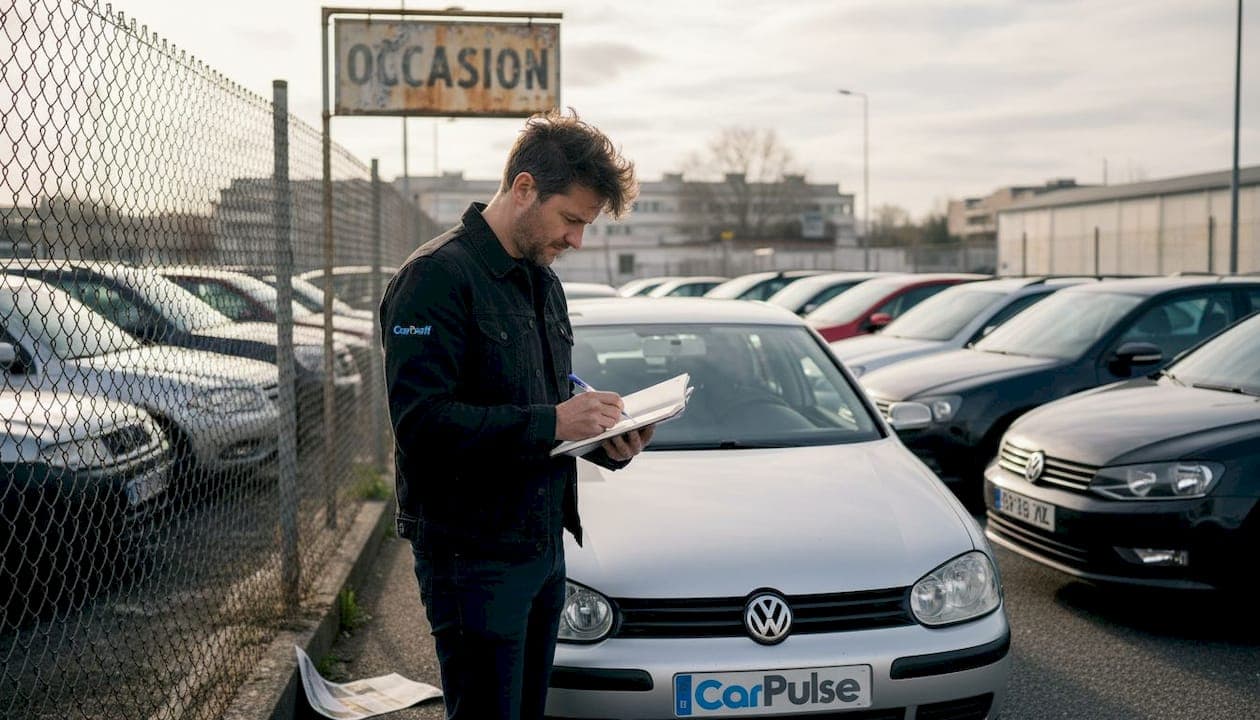
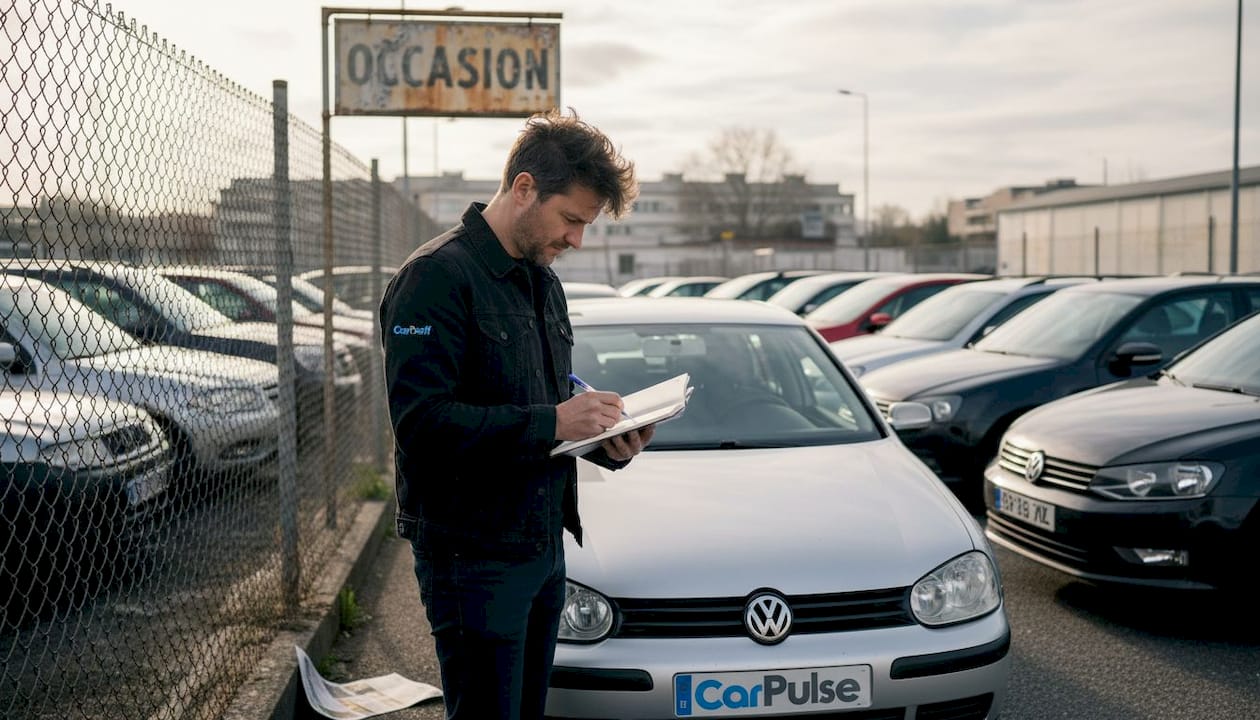
Buying used cars in Slovenia: complete guide 2026
Buying used cars in Slovenia: complete guide 2026
Summary:
- Slovenia typically prices used cars 10–25% below equivalent Italian listings
- As an EU member state, there are no customs duties — only standard re-registration costs apply
- Key documents needed: prometno dovoljenje, COC (certificate of conformity) and a signed bill of sale
Why buy a used car in Slovenia
Slovenia sits at the north-eastern corner of Italy, sharing a land border with the Friuli-Venezia Giulia region. For Italian buyers — and for EU residents looking to import a vehicle into Italy — this geographic proximity is a significant practical advantage. You can drive to Ljubljana or Maribor, inspect a car in the morning and be back on Italian soil by the afternoon, cutting out the logistical complexity that comes with sourcing vehicles from more distant markets such as Germany or the Netherlands.
Price is the primary draw. Used cars in Slovenia are consistently listed 10–25% below equivalent models in Italy. This gap is particularly pronounced on compact saloons, SUVs over five years old, and German-brand vehicles. A 2019 Volkswagen Golf that would command €16,000 in Milan or Turin can realistically be found in Ljubljana or Celje for €12,500–€13,500. On higher-value vehicles the absolute saving can easily cover all re-registration and transport costs and still leave several thousand euros in your pocket.
Because Slovenia joined the European Union in 2004 and adopted the euro in 2007, the legal framework for cross-border purchases is straightforward. There are no customs duties, no import tariffs and no risk of double-charging VAT when buying from a private seller. The transaction feels closer to buying a car in a neighbouring Italian province than to a true international import.
Slovenian road conditions are generally good. The country has a well-maintained motorway network, and unlike coastal Italian regions, most inland Slovenian areas use relatively little road salt during winter. This translates into lower rates of underbody corrosion — a genuine quality consideration when assessing a used vehicle. The domestic market is dominated by German and Czech brands: Volkswagen, Audi, BMW, Škoda and Mercedes-Benz account for a large share of private listings. Japanese models — Toyota, Honda, Mazda — are also common and tend to be well-serviced. Slovenians drive on the right, so vehicle configurations are identical to Italian market cars.
Where to find used cars in Slovenia
The dominant Slovenian used-car platform is Avto.net. It carries the largest volume of private and dealer listings in the country, with detailed filtering by make, model, year, mileage, fuel type and price. The interface is available in Slovenian but modern browsers translate it reliably. Listings routinely include multiple photos, a mileage declaration and seller contact information.
Bolha.com is Slovenia's general classifieds site and carries a substantial automotive section. It skews more toward private sellers and older or budget vehicles. Listings vary in quality but it is worth checking alongside Avto.net, particularly for vehicles under €8,000.
For cross-border browsing, Njuskalo.hr — Croatia's main classifieds platform — is a useful supplement. Some Slovenian dealers and private sellers list on both platforms, and the Croatian market offers additional inventory that is similarly priced and similarly easy to import into Italy under EU rules.
Mobile.de, Germany's largest used-car marketplace, often shows Slovenian-registered vehicles listed by dealers who source inventory across the region. It is a good place to find higher-specification models or recent-year cars with full service histories.
For a pan-European view that includes verified Balkan-region inventory alongside Italian listings, browse verified used cars on CarPulse. CarPulse aggregates listings from across Italy and the wider EU, applies AI-powered pricing analysis and provides seller verification — giving cross-border buyers a cleaner starting point than navigating multiple national platforms separately.
Used car prices in Slovenia (2026)
To give you a realistic benchmark for 2026 market conditions, here are typical price ranges for the most common categories of used vehicle in Slovenia:
- City cars (5–10 years old) — VW Polo, Renault Clio, Opel Corsa, Fiat Panda: €5,000–€12,000. These are the most abundant segment in the Slovenian private market. Clean examples with under 100,000 km can be found toward the lower end of this range.
- Compact family cars — VW Golf, Škoda Octavia, Toyota Corolla, Seat Leon: €8,000–€18,000. The Octavia in particular is excellent value; Slovenians buy a lot of them and the market supply is strong.
- SUVs and crossovers — VW Tiguan, Hyundai Tucson, Škoda Kodiaq, Kia Sportage: €12,000–€28,000. Prices track closely to the Austrian market rather than the Italian market, which is typically 15–20% higher for equivalent specifications.
- Executive and premium — BMW 3/5 Series, Audi A4/A6, Mercedes C/E Class: €10,000–€40,000. Considerable range depending on age, mileage and specification. Slovenian examples often have full main-dealer service histories.
Across all categories, Slovenian prices run approximately 10–20% below Italian equivalents for the same vehicle age and mileage. To get an independent valuation before you negotiate, use the AI price valuation tool on CarPulse, which factors in real cross-market data to tell you whether a specific asking price is fair.
How to import and register the car in Italy
The process is well-defined and manageable for a first-time cross-border buyer. Here is the full sequence:
- Find and inspect the vehicle in Slovenia. Use Avto.net, Bolha.com or CarPulse to identify candidates, then visit in person. If travel is impractical, consider hiring a local independent inspection service — there are several based in Ljubljana and Maribor who will provide a written report and photos for €100–€200.
- Agree the price and collect documents from the seller. The seller must provide: the prometno dovoljenje (the Slovenian vehicle registration document), a COC (Certificate of Conformity, also called homologation certificate) and a signed bill of sale — kupoprodajna pogodba in Slovenian. Do not complete the purchase if any of these documents is missing or inconsistent with the vehicle details.
- Request Slovenian de-registration (odjava). The seller — or you jointly — must present the vehicle and documents to the nearest upravna enota (administrative unit) to officially de-register the car from Slovenian records. The Slovenian number plates are surrendered at this point. You receive a potrdilo o odjavi (de-registration certificate), which you will need for Italian registration.
- Understand the VAT position. When buying from a Slovenian private individual, no VAT is due in Slovenia or Italy — private sales are VAT-exempt throughout the EU. When buying from a Slovenian dealer, VAT is included in the advertised price. You may be able to negotiate a VAT-free export price if the dealer is set up for this, or request an export VAT refund — ask the dealer explicitly before agreeing the purchase price.
- Return to Italy and present documents to the Motorizzazione Civile (DTT). Bring the COC, the cancelled foreign registration document (prometno dovoljenje with de-registration stamp), the bill of sale and your own ID documents (passport or national ID, and Italian codice fiscale). Slovenian documents may require a certified Italian translation — confirm this with your local DTT office before your appointment.
- Pay the Italian registration costs. These include the IPT (Imposta Provinciale di Trascrizione), paid at an ACI or PRA office — the amount varies by engine power and province but typically falls between €100 and €300+. You must also take out mandatory RCA (third-party liability) insurance before the car can be plated, and register for the annual bollo (vehicle tax).
- Collect your Italian licence plates from the DTT. Once all paperwork is verified and fees paid, Italian plates are issued and the vehicle is entered into the PRA (Pubblico Registro Automobilistico).
Typical timeline: The full process from purchase to Italian plates generally takes 2–6 weeks, the majority of which is waiting for the Slovenian de-registration to be processed and documents to be returned. Allow extra time if you need official translations prepared.
Additional costs to budget beyond the purchase price:
- Vehicle transport (if not driving yourself): €300–€600
- COC document (if missing from the seller): €100–€300 from the manufacturer
- Certified Italian translation of Slovenian documents: €50–€150
- IPT registration tax: ~€100–€300+ depending on province and engine class
- Independent pre-purchase inspection in Slovenia: €100–€200
- VIN history check: €15–€40
Documents and costs you need
Keeping track of the paperwork is the most important discipline in a cross-border purchase. Here is a consolidated checklist of what you need and where each document comes from:
From the seller at point of purchase:
- Prometno dovoljenje — the Slovenian vehicle registration certificate. Equivalent to the Italian libretto di circolazione. It must match the VIN on the vehicle.
- COC (Certificate of Conformity) — the EU homologation document issued by the manufacturer. Without this, Italian re-registration becomes significantly more complicated and expensive.
- Kupoprodajna pogodba — the signed bill of sale. Both parties should sign; include the vehicle's VIN, mileage at point of sale, agreed price and date.
- Service history booklet (stamped by garages or dealerships) — not legally required but strongly recommended for odometer verification and mechanical peace of mind.
From Slovenian authorities after de-registration:
- Potrdilo o odjavi — the de-registration certificate issued by the upravna enota. This confirms the car has been removed from Slovenian registration records. Italian authorities require this document.
Your own documents required by Italian authorities:
- National ID card or passport
- Italian codice fiscale
- Proof of Italian residence (for the registration address)
Note that Slovenian documents are written in Slovenian (a South Slavic language using Latin script). Your local Motorizzazione Civile office may require officially certified Italian translations — check in advance to avoid delaying your appointment.
Risks to avoid — buyer's checklist
Cross-border used-car purchases carry the same risks as any private used-car sale, plus a few specific to international transactions. Work through this checklist before committing to any purchase:
- Run a VIN history check via EUCARIS — the European Vehicle and Driving Licence Information System covers Slovenian-registered vehicles and will flag stolen status, major accident records and mileage inconsistencies across EU member states.
- Inspect the car in person or hire a local inspector — never buy sight-unseen from a Slovenian seller. Photos can hide bodywork repairs, underbody rust and interior damage. If you cannot travel, a local inspection service in Ljubljana or Maribor will provide an impartial written report.
- Check for outstanding finance or leasing liabilities — in Slovenia, finance agreements can be registered against a vehicle in the Sodna registracija (court register). Ask the seller directly and verify via the AJPES database or with a local solicitor if you have any doubt.
- Be aware of flood risk in certain areas — the Ljubljana Marshes (Ljubljansko barje) and some river valleys in Slovenia experience periodic flooding. Check the vehicle's location history and inspect the interior carefully for water damage signs: musty smell, discoloured carpets, corrosion on seat rails.
- Confirm the COC is present BEFORE agreeing the purchase — obtaining a COC retrospectively from the manufacturer typically costs €100–€300 and takes weeks. Without it, Italian re-registration requires an individual vehicle approval (collaudo) at the Motorizzazione, adding both time and cost.
- Verify the odometer reading — request a stamped service history book and cross-reference recorded mileage at service intervals. Slovenian vehicles that have been used by private families typically show lower annual mileage than commercial-use vehicles.
- Check timing belt or chain service status — a missed timing belt replacement on a high-mileage engine is one of the most expensive oversights in any used-car purchase. Confirm when it was last changed and budget for replacement if it is due.
- Inspect tyre condition and DOT codes — check the DOT date codes moulded into each tyre sidewall. Tyres over six years old should be replaced regardless of remaining tread depth.
Why use CarPulse for your search
CarPulse is a pan-European used-car marketplace built specifically for the kind of cross-border buyer this guide is aimed at. The platform carries 24,000+ verified listings spanning Italy, the Balkans and the wider EU — giving you a single search interface instead of navigating five different national platforms in unfamiliar languages.
Key features that matter for a Slovenia-to-Italy purchase:
- Verified sellers — CarPulse reviews seller identity and listing accuracy, reducing the risk of fraudulent or misleading advertisements.
- AI-powered price valuation — before you negotiate with any seller, run the vehicle's details through CarPulse's valuation engine to get an objective cross-market price estimate.
- Vehicle history integration — access mileage and registration history data directly from listing pages.
- Free listings for vehicles under €10,000 — private sellers in the region are incentivised to list their cars, which means CarPulse often surfaces inventory that does not appear on larger platforms.
- Designed for cross-border buyers — listings include clear documentation status indicators, so you can filter immediately for cars that have a COC on file.
If you are selling a vehicle yourself — whether in Italy, Slovenia or elsewhere in the EU — you can create a free listing at carpulse.it/sell/create and reach buyers across the region.
Frequently Asked Questions
Is it legal to buy a used car in Slovenia and bring it to Italy?
Yes, entirely legal. Slovenia is an EU member state, so there are no restrictions on the free movement of goods. You simply follow the Italian re-registration process at the Motorizzazione Civile.
How much can you save buying a car in Slovenia versus Italy?
On average, between 10% and 25% compared to an equivalent car listed in Italy, depending on the model and year. Savings tend to be largest on compact saloons and German SUVs over five years old.
What happens if the COC is missing?
Without a Certificate of Conformity, Italian re-registration becomes significantly more complex. You can request one from the manufacturer (typically €100–€300) or undergo an individual vehicle approval (collaudo) at the Motorizzazione, which adds time and cost.
Do you pay VAT twice when buying from a private seller in Slovenia?
No. When buying from a private individual in Slovenia, no VAT is due in either Slovenia or Italy. If you buy from a Slovenian dealer, VAT is included in the price; you can then explore export VAT refund procedures or negotiate a VAT-free export price.
Conclusion
Slovenia represents one of the most practical and underused opportunities for Italian buyers — and for EU residents more broadly — looking to buy a quality used car at a meaningful discount. The country's EU membership removes customs and VAT complexity; its geographic closeness to north-east Italy makes an in-person inspection straightforward; and its strong domestic market for German and Japanese brands means the quality of available inventory is consistently high. Typical savings of 10–25% versus Italian market prices, combined with manageable re-registration costs, mean the arithmetic works clearly in the buyer's favour on any vehicle over €8,000.
The process requires attention to documentation — secure the prometno dovoljenje, COC and kupoprodajna pogodba before you part with any money, and confirm the Slovenian de-registration is processed before you leave the country. With those boxes checked, importing a Slovenian used car into Italy is a well-trodden path with no serious legal or bureaucratic obstacles.
Ready to start looking? Start your search on CarPulse today and browse verified cross-border listings from Slovenia, Italy and across the EU — with AI pricing, seller verification and COC status all in one place.