Guides
Buying Used Cars in Sweden: Complete Guide 2026
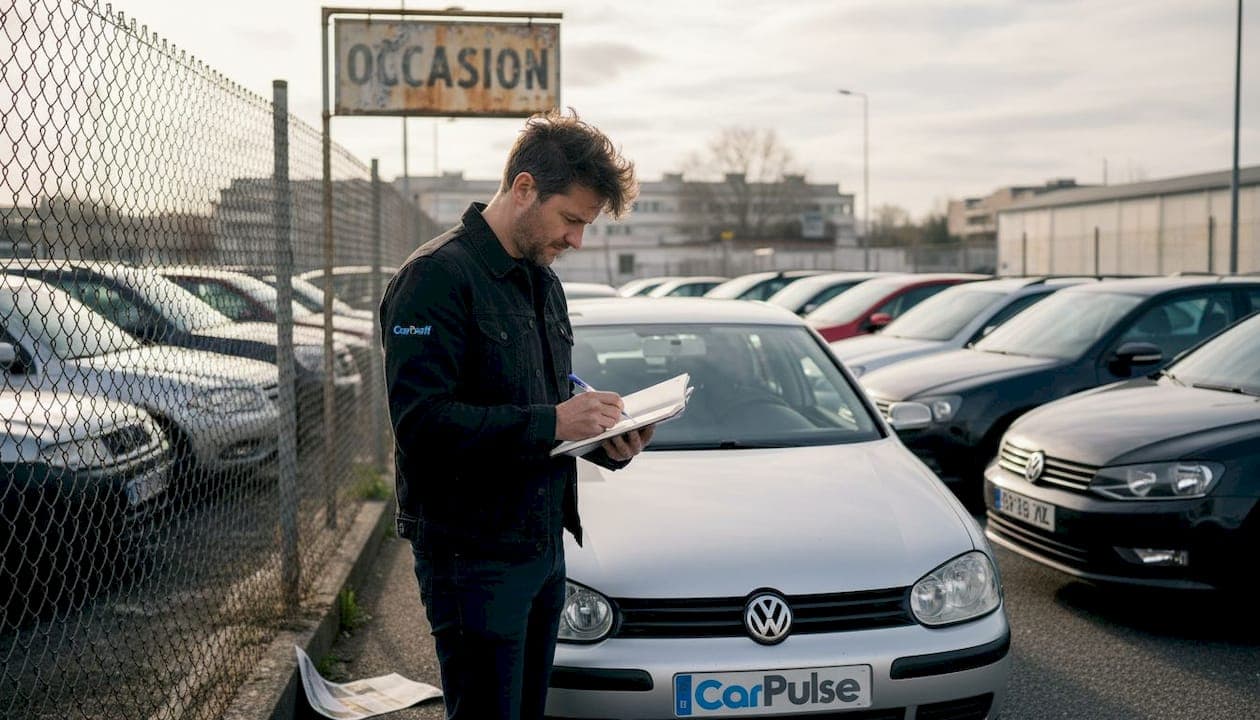
Buying Used Cars in Sweden: Complete Guide 2026
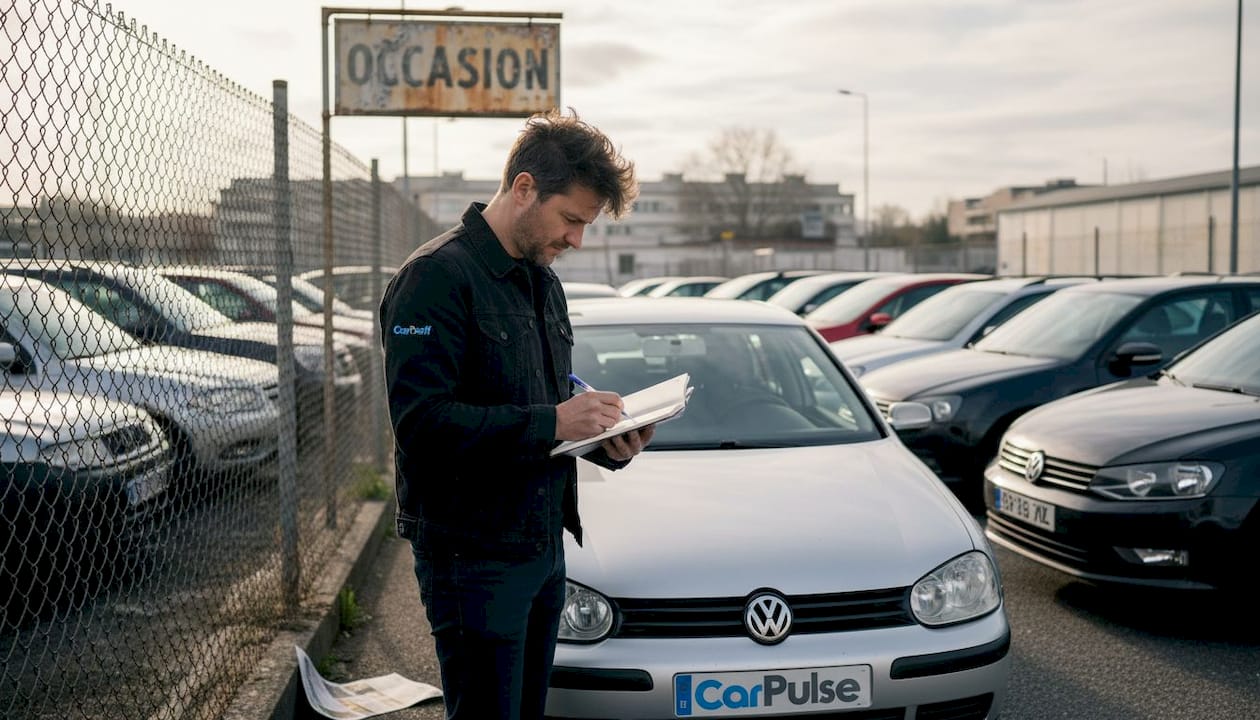
Summary:
- Sweden drives on the right — no mechanical modifications needed for Italian registration.
- As an EU member state, intra-EU VAT rules apply — no customs duties.
- Transport, registration fees, and taxes eat into the savings — always calculate the full cost before committing.
Sweden's used-car market has a well-earned reputation: strict maintenance requirements imposed by harsh winters, service histories verifiable through the national Transportstyrelsen registry, and a wide selection spanning city compacts to premium SUVs. For an Italian buyer willing to organize transport and navigate some paperwork, it can genuinely be worth it. But the savings are real, not magical. This guide takes you step by step from online search to Italian registration, with honest numbers and no inflated expectations.
Why Sweden Is Worth Considering
Let's start with the concrete factors that make Sweden interesting for used-car buyers.
Different automotive taxation. Private-to-private used-car transfers in Sweden are not burdened with registration taxes comparable to Italy's IPT. The market is liquid, and sellers drop prices rather than let a car sit idle. This keeps asking prices relatively competitive.
Well-maintained cars by necessity. Swedish winters force a level of vehicle care that might seem excessive in a Mediterranean climate: seasonal tire changes mandated by law, precise service intervals, heating system and battery checks. A car with a Swedish service history tends to be more reliable than an equivalent kept in a mild climate but neglected.
Right-hand traffic. This is a critical point many buyers overlook: Sweden drives on the right side of the road, exactly like Italy. The steering wheel is on the left, headlights require no adjustment, no structural modifications are needed. The vehicle is road-legal in Italy without any changes.
Transparent market with public data. Swedish listings typically show service history, number of previous owners, and often certified mileage. Transportstyrelsen, the national transport agency, makes registration and inspection data publicly accessible to anyone with a license plate number or VIN.
Diverse inventory. Volvo, Volkswagen, Toyota, BMW, Mercedes — the full spectrum is available. The 4–6 year old premium saloon and SUV segment is particularly attractive: models that start at €18,000–22,000 in Italy can often be found €2,000–4,000 cheaper in Sweden.
Average Prices in Sweden vs. Italy
Cross-market price comparisons are tricky because they depend on the specific model, year, and market timing. That said, some consistent patterns emerge.
In the €5,000–10,000 range, the Swedish market offers compacts (Golf, Focus, Corolla) and C-segment saloons with 80,000–130,000 km and 5–9 years of age. The gross saving can be €1,000–2,500 on this segment, but the fixed overhead costs make the net saving thinner.
In the €10,000–20,000 range, compact SUVs and premium saloons in the 3–6 year bracket show the most meaningful price gap. A D-segment SUV with 60,000 km can be €2,000–4,000 less than its Italian equivalent. Here the math starts working — but only if transport and registration costs are factored into the budget upfront.
Above €20,000, differences narrow and depend heavily on the specific model and trim. Organizing a cross-border purchase for a marginal saving on high-value cars rarely makes sense.
One important note: Swedish prices are listed in Swedish kronor (SEK). With exchange rate fluctuations, a car that looks like good value today may be less so in a few weeks. Always convert to euros at the time of actual purchase, not based on earlier estimates.
Where to Search for Swedish Used Cars
The two main platforms for used cars in Sweden are:
- Blocket.se — Sweden's largest general classifieds marketplace, with an extensive automotive section. Both private sellers and dealers. Interface is in Swedish (Google Translate handles it well). Prices in SEK.
- Bytbil.com — a dedicated automotive platform, more dealer-oriented, with better filters and often service history data directly in the listing.
For buyers who prefer not to navigate in Swedish and want verified cross-border listings, CarPulse aggregates pan-European offers with AI price valuation, vehicle history, and verified sellers — ideal for comparing Nordic deals against the Italian market without unpleasant surprises.
If you buy from a Swedish private seller, seriously consider hiring a local garage (or a third-party inspection service) to physically inspect the car before you commit. Spending €100–200 on a professional inspection is always a sound investment on a purchase worth thousands.
A hybrid alternative: some Italian dealers already import stock from Sweden and Scandinavia. You pay a small margin, but you skip all the bureaucracy yourself.
How to Import and Register a Swedish Car in Italy
Sweden is a European Union member state, which massively simplifies things compared to importing from outside the EU. No customs duties. Intra-EU VAT rules apply.
Intra-EU VAT: the fundamental rule
- Buying from a Swedish private seller: no Swedish VAT is due. Italian VAT (22%) only applies if the vehicle is fiscally "new" (under 6 months old or under 6,000 km). For used cars between private individuals, no VAT applies.
- Buying from a Swedish dealer: the dealer normally charges Swedish VAT at 25%. If you're an Italian private buyer, you can request a VAT export exemption (intra-EU supply regime) and subsequently pay Italian VAT instead. If you're a business with a VAT number, the reverse charge mechanism simplifies the transaction. In either case, consult an accountant experienced in intra-EU operations before proceeding.
COC (Certificate of Conformity)
The COC certifies that the vehicle complies with EU directives. It is mandatory for Italian registration. If the Swedish seller doesn't have it, you can request it directly from the manufacturer (usually at a cost of €50–200). EU COCs are issued in multiple official EU languages, so no certified translation is needed for this document.
Bill of sale and required documents
- Swedish bill of sale (köpeavtal) — if in Swedish, a sworn Italian translation is required
- Original Swedish vehicle registration document (registreringsbevis)
- COC
- Buyer's identity document
- Italian tax code (codice fiscale)
The process in Italy
- Temporary EE plates: once the vehicle arrives in Italy, you can request EE plates (Esportazione Eccezionale) to drive legally during the registration process. Valid for 30 days, renewable once.
- Motorizzazione or STA inspection: vehicle check for identity verification and technical compliance.
- Registration: through an STA or automotive consultancy office, submit all documents and pay IPT (Imposta Provinciale di Trascrizione, the provincial registration tax).
- PRA registration: registration with the Public Automotive Registry (ACI).
Total timeline: 30–60 days from submission of complete documentation, depending on the province and office workload. Factor this into your planning.
Realistic Total Costs: A Worked Example
The gross saving on the car must always be weighed against the additional costs. Here's a practical example for a car purchased at €8,000:
| Item | Estimate |
|---|---|
| Car purchase price in Sweden | €8,000 |
| Transport Sweden→Italy (professional carrier) | €700–1,200 |
| COC (if not available) | €0–200 |
| Sworn translation of bill of sale | €80–150 |
| Temporary EE plates | €80–120 |
| Motorizzazione/STA inspection | €100–200 |
| IPT + PRA | €200–400 |
| Total additional costs | €1,160–2,270 |
| Realistic total cost | €9,160–10,270 |
If an equivalent car on the Italian market costs €10,500–11,000, the net saving is modest but real. If it costs €9,500, the operation doesn't make financial sense. Always run the full calculation before committing.
To assess fair market value, use CarPulse's AI valuation tool, which benchmarks prices against real market data across Europe.
Concrete Risks and Pre-Purchase Checks
Distance buying carries inherent risks. Here are the most common ones and how to mitigate them:
Unverified mileage. Even though Transportstyrelsen records kilometres at each periodic inspection, tampered odometers are not impossible. Always request the official extract from the Swedish government portal (accessible with licence plate or VIN) and verify that the km progression is consistent year over year.
Undisclosed accident history. Sweden doesn't have a unified accident database like the American Carfax, but many Swedish insurers issue claims statements on request. A physical inspection by a trusted mechanic remains the most reliable check.
Cars with liens or reported stolen. Always verify the vehicle has no outstanding finance or theft reports. Use Swedish private services like Biluppgifter.se or international Interpol databases with the VIN number.
COC unavailable. Without a COC, Italian registration becomes complicated and expensive. Always ask whether the document is available before buying, and verify that the technical specs match the actual vehicle.
Trim differences from the Italian version. A Swedish model may have different optional features (seat heating, lights configured for northern climates) that don't affect compliance but are worth knowing about.
Final Checklist: From Search to Italian Registration
- Define your total budget including transport, taxes, and administrative fees
- Search on Blocket.se, Bytbil.com, or CarPulse to compare cross-border prices
- Verify plate/VIN on Transportstyrelsen for mileage history and inspection records
- Check for liens on Biluppgifter.se or equivalent
- Arrange physical inspection by a local mechanic (€100–200)
- Request COC from manufacturer if not available
- Obtain bill of sale (köpeavtal) and check if sworn Italian translation is needed
- Arrange professional transport with insurance during transfer
- Upon arrival: request temporary EE plates
- Book Motorizzazione/STA appointment for technical inspection
- Complete registration through STA or automotive consultancy (IPT + PRA)
- Pay road tax and take out RC insurance with Italian plates
FAQ
Does Sweden drive on the right or left?
On the right, like Italy. Sweden switched from left- to right-hand traffic in September 1967 in the so-called "Dagen H" operation. All Swedish cars have left-hand drive and can be registered in Italy without any structural modifications.
Do I have to pay VAT in Italy if I buy from a Swedish private seller?
No — if the car is fiscally "used" (over 6 months old and over 6,000 km), a private-to-private purchase is not subject to VAT in either Sweden or Italy. If you buy from a Swedish dealer, the rules differ and you should consult an accountant experienced in intra-EU transactions before proceeding.
How long does it take to register a Swedish car in Italy?
Typically 30–60 days from submission of complete documentation. Temporary EE plates let you drive legally during this period (30 days, renewable once). STA offices in large cities may have longer queues during peak seasons.
Is buying a used car in Sweden actually worth it compared to Italy?
It depends on the vehicle and the price gap. For mid-to-high value cars (€12,000–20,000), the gross saving can be €2,000–4,000, but additional costs (transport, bureaucracy) typically run €1,200–2,000. A net saving exists but isn't huge. It makes more sense on higher-value purchases, or when you find a specific model or trim that's hard to source in Italy.
Conclusion
Buying a used car in Sweden is a feasible, legal, and — with proper planning — financially sound operation. All the conditions are in place: mature market, well-maintained vehicles, no EU customs barriers, right-hand traffic. The key is running the correct numbers before falling in love with a listing: transport, VAT if applicable, COC, IPT, PRA — everything needs to be added to the purchase price to get the real cost. Buyers who want to simplify the search and compare European offers with added assurance can start from CarPulse, the pan-European marketplace with AI valuation, verified sellers, and 24,000+ cross-border listings. Selling a car? List it for free and reach buyers across Europe.