Guides
Car listing photos: the rules of the European market
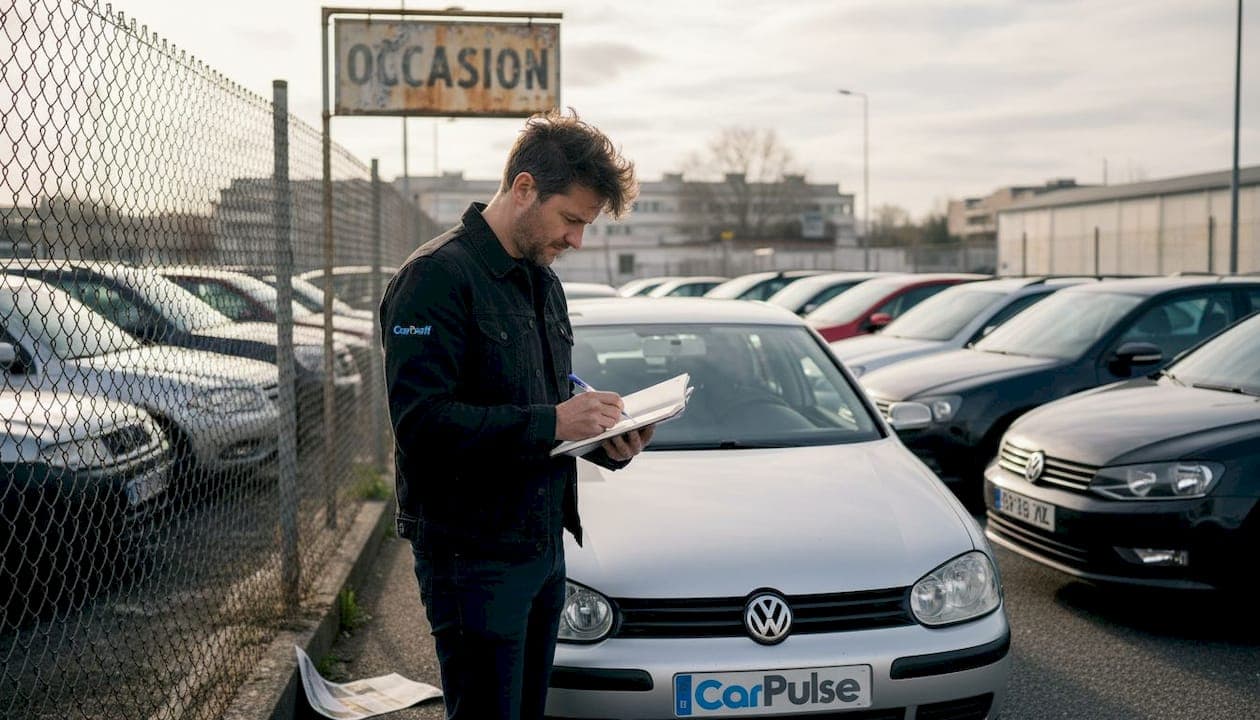
Car listing photos: the rules of the European market
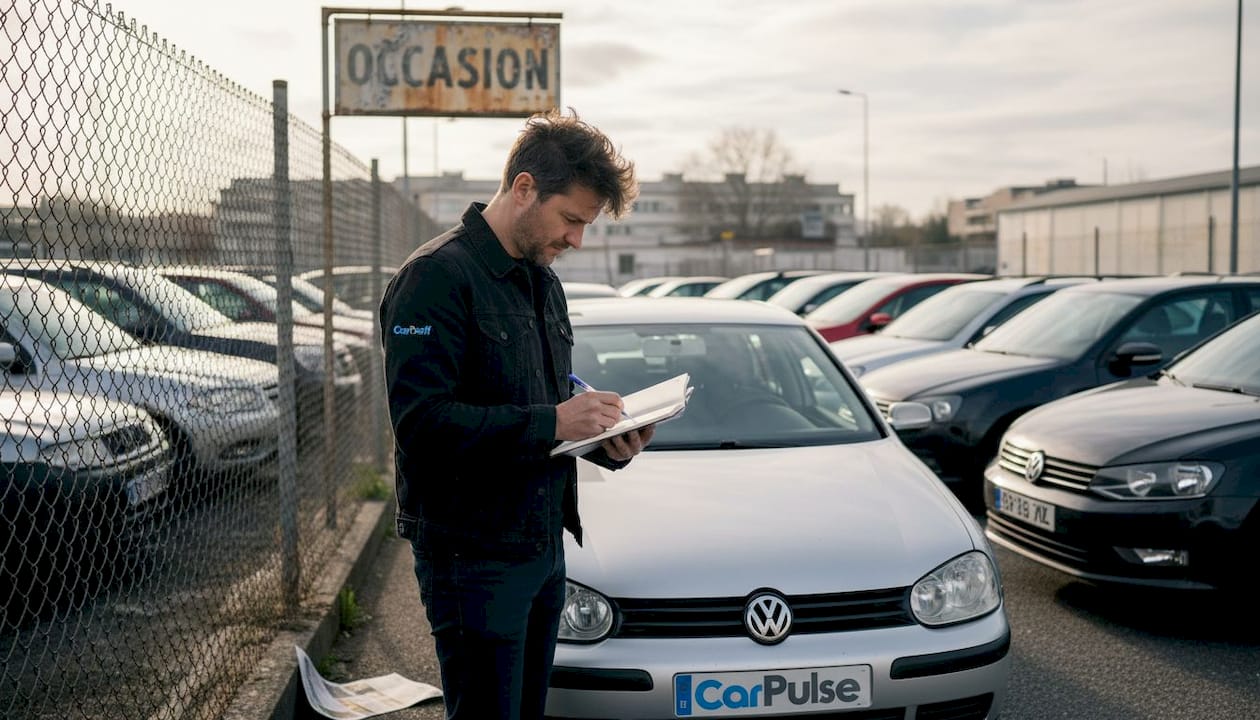
Summary:
- Photos are the buyer's first filter: on a European market, someone shopping from a distance decides in seconds whether to contact you just by looking at your images.
- You need 12–20 real photos in natural light: every exterior angle, the interior, the engine bay, the odometer and any flaws shown honestly.
- On a European platform like CarPulse, complete photos + a verified seller + AI price valuation across 24,000+ listings turn trust into serious enquiries from Italy, the Balkans and the rest of the EU.
When you put your car up for sale, you can write the most polished description in the world: the first thing a buyer looks at is still the photos. And on a European market — where your buyer might be in Italy, Albania, Germany or Romania — that's even truer, because the first contact often happens hundreds of kilometres away. Photos are the only way a buyer can "see" your car before writing to you. Good photos mean more enquiries, calmer negotiations and a stronger final price; weak photos make even a willing buyer scroll past. In this guide we'll go through the practical rules for photographing your car so it performs in front of an international audience, and how to publish it on CarPulse, the European marketplace that shows your listing to verified buyers across several countries.
Why photos matter more than text
The price you sell at depends on competition between buyers: the more serious people who contact you, the more you get to choose the best offer. And the first engine of that competition is the images. In a list of listings the eye scrolls fast: a well-shot cover photo is what makes the buyer stop and click; they read the text only after they're interested.
For buyers shopping from abroad, photos matter even more. A buyer in the Balkans or another EU country can't come and view the car at the weekend: they trust what the images show. The more complete and honest the photos, the more confident they feel taking the first step — and committing to a car they haven't yet touched. Photo quality, in practice, is the quality of the trust you manage to convey from a distance.
What to photograph: the complete checklist
An effective listing has between 12 and 20 photos. It's not about filling the gallery at random, but covering everything a buyer would want to check in person. Here's the sequence that works:
- Front and rear three-quarter: the two "hero" shots, the ones that show the car most recognisably and attractively. One of them will be your cover.
- All four sides: front, rear and both flanks, straight and complete, to show the proportions and the absence (or presence) of dents.
- Wheels and tyres: the condition of the tyres and rims says a lot about how the car has been looked after.
- Interior: dashboard, steering wheel, front and rear seats, door panels, headliner and boot.
- The odometer: a sharp photo of the real mileage is a transparency signal that foreign buyers always look for.
- The engine bay: tidy and clean, it conveys the idea of a well-kept car.
- Technical details: gearbox, infotainment, controls, any valuable options.
- The flaws: scratches, small dents, seat wear. Showing them doesn't put buyers off: it reassures them. We'll see why shortly.
Adding a photo of the main documents — logbook, certificate of conformity (COC) if you have it — is a huge plus for anyone who wants to import the car into another country.
How to shoot: light, background, framing
You don't need professional gear: a recent smartphone is more than enough. But you do need a few rules that make an enormous difference.
Natural light, never harsh sun
The best moments are early morning and late afternoon, with soft, diffused light. Midday sun creates hard reflections and sharp shadows that hide detail; an overcast sky, on the contrary, is perfect because it lights the bodywork evenly. Avoid shooting in the dark or with flash.
Clean, neutral background
Choose a tidy spot: a forecourt, an empty car park, a tree-lined avenue. Avoid cluttered garages, bins, other cars in the foreground or distracting number plates in the background. A clean background makes the car stand out and gives an impression of care and professionalism.
Correct framing
Shoot in landscape (panoramic format), hold the phone at headlight height — not from above or crouched down — and leave a little space around the car. Get close for details, step back for the overall shots. Wash the car first: a clean makes the car look newer and better cared for than any filter ever could.
Honest photos: the secret that sells
Many sellers' instinct is to hide flaws. That's a mistake, especially in the distance market. A buyer who travels far and discovers an undocumented scratch only in person feels deceived: the deal collapses or turns into a price war. By contrast, someone who sees the flaws already in the photos knows exactly what they're buying — and when they arrive and find the car better than expected, they close more willingly and without last-minute discounts.
Showing flaws honestly, alongside complete photos of the odometer and documents, is the simplest way to build trust with a buyer who doesn't know you. On CarPulse this transparency is reinforced by the verified seller and the vehicle history: the buyer knows there's a real, identified person behind the listing, not an anonymous profile. It's exactly the difference between a "for sale" sign in the rear window and a professional presence in a European market of verified buyers.
Photos designed for a European audience
When your listing is visible across Europe, a few photographic touches increase your reach. Photos of the universal technical data — engine plate, Euro class, gearbox, fuel type — are understood in every country and help the foreign buyer grasp at a glance whether the car suits them. A legible photo of the certificate of conformity (COC) immediately signals that the car is easy to re-register abroad: for a Balkan importer or an EU private buyer that's a very powerful selling point.
On a multilingual platform your photos are shown alongside the description translated into the buyer's language, so your car appears in the searches of people looking in Albanian, English or German. You upload the images just once and reach a far wider audience than your local market. Before setting your price, it's worth comparing it with the real market: the AI price valuation tool analyses over 24,000 listings to tell you what your car is really worth, so great photos go hand in hand with a realistic asking price and attract serious enquiries.
Frequently Asked Questions
How many photos do I need for a good car listing?
The ideal is between 12 and 20 real photos. They should cover every exterior angle, the interior, the engine bay, the odometer and any flaws. Fewer than eight photos make a listing look incomplete and lower trust, especially for someone buying from a distance in another country who can't come and see the car in person.
Can I photograph the car with a smartphone?
Yes, a recent smartphone is more than enough. Light matters far more than the gear: shoot in early morning or late afternoon, or under an overcast sky, avoiding harsh sun and flash. Hold the phone in landscape at headlight height, choose a clean background and wash the car first: these touches are worth more than any expensive camera.
Should I show the flaws in the photos too?
Absolutely. Hiding scratches or dents backfires: a buyer who travels far and discovers them in person feels deceived, and the deal collapses or crashes on price. Showing flaws honestly reassures buyers, attracts serious enquiries and, when the car turns out better than expected, closes the sale without last-minute discounts.
Do the photos change if I sell abroad?
The basic rules stay the same, but for a European audience add photos of the universal technical data (Euro class, gearbox, fuel type) and of the certificate of conformity (COC), essential for anyone re-registering the car in another country. On a platform like CarPulse your images sit alongside the description translated into the buyer's language, widening your reach with no extra work.
Conclusion
Photos aren't a detail of the listing: they are the listing. On a European market, where the buyer decides from a distance, complete, well-lit and honest images are what turn a gallery into real enquiries and a fast sale at the right price. Invest half an hour to wash the car, choose the right light and take the 12–20 photos on the checklist: it's the cheapest way to add value to your vehicle. When you're ready, list your car for free on CarPulse — free for cars under €10,000 — and start from a realistic price valuation based on over 24,000 listings. Great photos plus the right price plus a verified seller: that's the formula that puts your car in front of the whole European market of verified buyers.