Guides
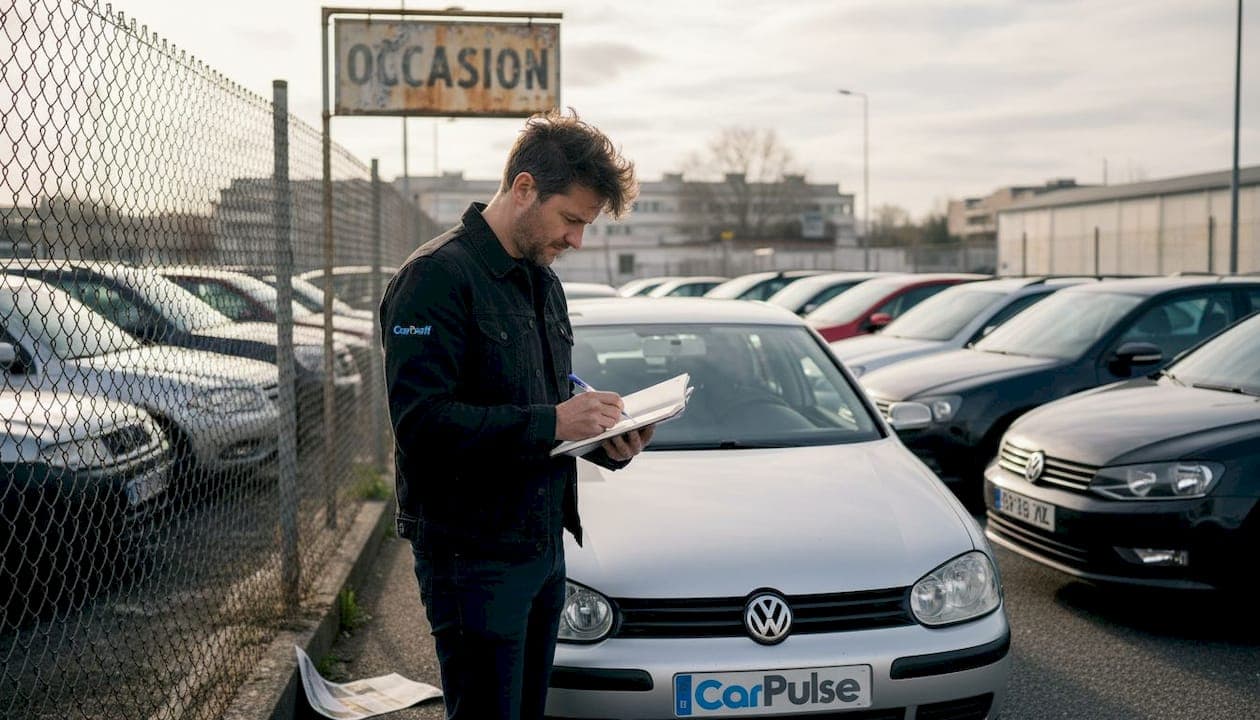
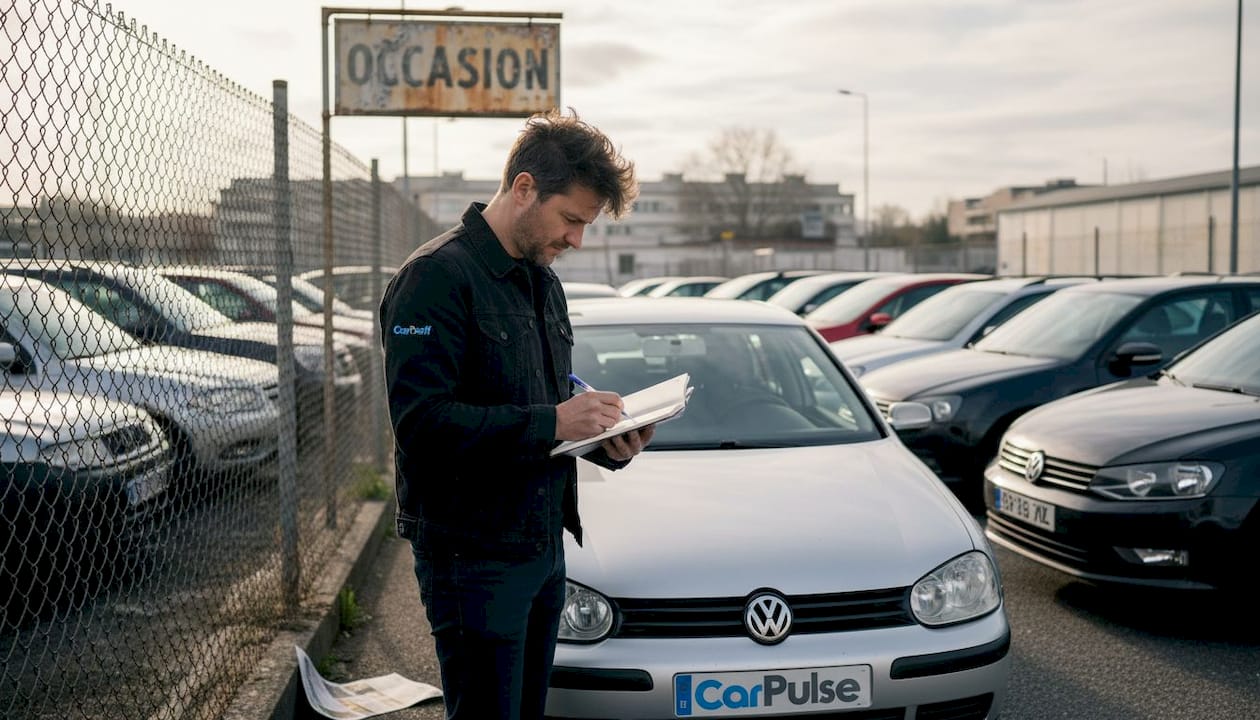
Used Car Market in Belgium: A Guide for Italian Buyers
Used Car Market in Belgium: A Guide for Italian Buyers
Summary:
- Belgium's used car market is among the most liquid in Europe — corporate fleets cycle out every 3–4 years, flooding the market with well-maintained vehicles at prices 10–20% below Italian equivalents.
- Italian buyers face no customs duties thanks to EU membership; a COC, Belgian registration document, and sales agreement are all that's needed to register in Italy.
- Pan-European platforms like CarPulse let you compare Belgian listings against the rest of the continent before making a move.
More and more Italian buyers are looking to Belgium for their next used car purchase — and for good reason. The structure of Belgium's used car market creates genuine pricing opportunities that are hard to find elsewhere in Western Europe. This guide breaks down how the market works, why prices are lower, which segments offer the best value, and how to navigate the import process into Italy without expensive mistakes. Start by browsing verified listings on CarPulse to calibrate European price benchmarks before you begin.
How the Belgian Used Car Market Works
Belgium's used car market has structural characteristics that set it apart from the Italian one. The defining feature is the dominant role of corporate fleets.
Corporate fleet turnover. Belgium has one of the highest concentrations of company cars in Europe. Businesses of all sizes — multinationals, SMEs, and public bodies — purchase cars as employee benefits and renew their fleets every three to four years. When these vehicles are de-registered, they enter the used car market in bulk, often within the same quarter, creating concentrated supply of premium models in excellent condition at accessible prices.
A trilingual market. Belgium has three linguistic communities — French-speaking (Wallonia and Brussels), Dutch-speaking (Flanders), and German-speaking (eastern Belgium) — and the car market reflects this. Listing platforms publish descriptions in Dutch, French, and sometimes German. For Italian buyers, French is typically the most accessible, though auto-translation tools make any language manageable.
Dense dealer network. With 11.5 million people in just 30,000 km², the density of car dealers per square kilometre is among the highest in Europe. Distances between sellers are short and supply is easily accessible.
Rigorous technical inspections. Belgium's mandatory roadworthiness test — contrôle technique in French, keuring in Dutch — is known for its rigour. A vehicle carrying a valid green sticker provides meaningful assurance of mechanical condition.
Price Dynamics: Why Belgium Offers Real Savings
For Italian buyers, Belgium's main appeal is price. But where exactly does the advantage come from?
Cyclical supply surplus. Mass fleet de-registrations every 3–4 years create supply peaks. Three-to-four-year-old Belgian vehicles in good condition hit the market in large quantities at the same time, pushing average prices down through sheer volume.
Relatively low domestic taxation. Belgium's vehicle registration tax (TMC — taxe de mise en circulation) is relatively modest for common categories, reducing the entry cost for new cars and, consequently, the residual values of used ones.
2026 price ranges by segment:
- City cars and superminis (Citroën C1, Fiat 500, VW Polo): €5,500–€13,000
- Hatchbacks and mid-size saloons (VW Golf, Toyota Corolla, Peugeot 308): €9,500–€21,000
- SUVs and crossovers (Dacia Duster, Kia Sportage, Hyundai Tucson): €11,000–€27,000
- Premium saloons and SUVs (Audi A4, BMW 3 Series, Mercedes C-Class, Volvo XC60): €17,000–€42,000
- Electric and plug-in hybrids (Tesla Model 3, Peugeot e-208, BMW 330e): €15,000–€44,000
Compared to Italian market prices, the saving typically ranges between 10% and 20%, with the highest gaps in the premium and estate car segments where corporate fleet volumes are greatest. Use CarPulse's AI valuation tool to check in real time whether a Belgian price is genuinely competitive against European alternatives.
Best Segments for Italian Buyers
Not every segment offers the same advantage. Knowing where to concentrate is key to a smart purchase.
Estate cars and corporate saloons. This is where the Belgian market excels. VW Passat Variant, Volvo V60, BMW 3 Series Touring, Mercedes C-Class Estate: purchased in volume as company benefits and released into the used car market after 3–4 years in excellent condition. For Italian families seeking space and reliability, this segment offers the best value-to-price ratio available anywhere in Europe.
Euro 6 diesel. Belgium still has a high share of diesel in the mid-to-upper segments. For drivers who use their car predominantly on motorways or rural roads, Belgian Euro 6d diesel vehicles offer low running costs at attractive prices.
Corporate plug-in hybrids. Belgian tax policy heavily incentivised PHEV company cars until 2023, creating an abundant supply of used PHEVs with low mileage — often under 50,000 km — now available at competitive prices. A segment worth watching.
Low-mileage luxury cars. Audi A6, BMW 5 Series, Mercedes E-Class: Belgian executives change cars frequently. Executive vehicles with 40,000–60,000 km are available at prices that would seem unrealistic in Italy for the same condition level.
Where to Buy: Private Sellers, Dealers, and Auctions
Private sellers on online marketplaces. The main platforms are 2dehands.be (in Dutch, Belgium's equivalent of Subito.it) and autoscout24.be. Private sellers offer lower prices but fewer guarantees. For a foreign buyer who cannot make frequent visits, the private channel carries higher risk.
Professional dealers. Registered Belgian dealers typically provide a valid technical inspection, full documentation (COC, service history) and often a 12-month warranty. The price is slightly higher than private, but the added security for a cross-border purchase usually justifies the difference. Many Belgian dealers speak French and English and are accustomed to Italian buyers.
Fleet remarketing and auctions. Major leasing companies (Athlon, LeasePlan, ALD Automotive) and specialist auctions (BCA, Manheim) sell corporate fleets directly at wholesale prices. Access usually requires professional operator registration, but an Italian import agent with Belgian contacts can facilitate entry.
Pan-European platforms. CarPulse aggregates verified listings from across the continent — with identified sellers and standardised vehicle information — so you can compare Belgian offers against Italian or other European alternatives in one place before deciding where to search.
Importing to Italy: Key Steps
Belgium is an EU member state, which makes importation far simpler than buying from non-EU countries like Switzerland or the UK.
Essential documents:
- COC (Certificate of Conformity) — critical for Italian registration. Always confirm availability before closing the deal.
- Belgian registration certificate (carte grise or inschrijvingsbewijs)
- Signed sales agreement with full vehicle details from both parties
- Identity document of the buyer
Steps on arrival in Italy:
- Submit documents to the Motorizzazione Civile or STA (Sportello Telematico dell'Automobilista), directly or through a vehicle registration agency.
- Pay the IPT (Provincial Transfer Tax) to ACI/PRA — typically €150–€400 depending on the province and vehicle type.
- Receive Italian plates and update the PRA (Public Vehicle Register).
VAT: No VAT applies between EU private individuals. If buying from a Belgian dealer, check the possibility of a "VAT-exempt export" sale. Italian businesses with a VAT number can handle the purchase under intra-community rules.
Timeline: 30 to 60 working days for the full process. A vehicle registration agency (cost: €100–€200) can significantly speed things up.
Risks to Know Before You Buy
Flood damage. The July 2021 floods in Wallonia (particularly around Liège) damaged thousands of vehicles. Some were repaired and returned to market without adequate disclosure. Always check the interior, engine bay, and floor for signs of moisture, internal rust, mould, or persistent odours. Verify the VIN on databases such as Carfax Europe.
Expired technical inspection. The Belgian keuring/contrôle technique has a different schedule from the Italian test. Always verify it is valid before purchase; an expired inspection can mean additional costs before Italian registration.
Missing COC. Without the Certificate of Conformity, registration requires a far longer and more expensive individual approval procedure. This is the most common and most avoidable risk: simply do not buy without a COC.
Language differences in documents. Belgian documents may be in French, Dutch, or German. If you do not understand the language, have key documents translated before signing, or use a trusted intermediary.
Frequently Asked Questions
Is the Belgian used car market genuinely cheaper than the Italian one?
Yes, on average 10–20% cheaper in the most sought-after segments. The advantage is most pronounced in premium and estate car categories where corporate fleet volumes are highest. For city cars and mainstream models the saving is more modest but still real.
What does it cost in total to import a car from Belgium to Italy?
On top of the car price, budget for: car transport on a transporter (€300–€600) or a trip to Belgium, IPT at ACI/PRA (€150–€400), registration agency fees (€100–€200), and a temporary RCA insurance policy for the transfer. Total ancillary costs are typically €600–€1,200.
Can I buy a car from Belgium without going there in person?
It is possible, but carries additional risk. If you cannot inspect the vehicle in person, commission a local inspector or independent inspection service. Buying from a professional dealer with detailed photographs and documented history is the safest approach for a remote purchase.
How do I check whether a Belgian car has hidden issues or flood damage?
Check the VIN on Carfax Europe or Eurotax for vehicle history. Request the original technical inspection report. Have a physical inspection carried out by an independent mechanic, paying particular attention to signs of internal moisture. For vehicles produced before 2022 in Walloon areas, perform additional checks for flood damage history.
Conclusion
Belgium's used car market is a real opportunity for Italian buyers who want quality at a competitive price. The market's structure — driven by corporate fleet cycles, rigorous technical inspections, and a dense sales network — creates objectively favourable conditions for buyers who know how to navigate it. With the right documentation, thorough vehicle verification, and accurate price benchmarking, saving thousands of euros compared to buying in Italy is entirely achievable. Start your search on CarPulse to compare Belgian and Italian listings side by side, and list your car for free on CarPulse if you want to reach buyers across Europe.