Guides
Negotiating With a Foreign Buyer: How to Get It Right
Negotiating With a Foreign Buyer: How to Get It Right
Summary:
- Negotiating with a foreign buyer isn't won on price but on trust: someone buying from a distance, without seeing the car, pays first and foremost for transparency, photos, a documented history and fast replies.
- Come prepared with a realistic asking price based on an objective valuation of the European market, leave a reasonable margin to negotiate, and have ready answers for the classic objections about mileage, maintenance and transport.
- A pan-European platform like CarPulse — verified sellers, AI valuation across 24,000+ listings, vehicle history and reach from Italy to the Balkans and the wider EU — brings you to the table with a credible price and a trustworthy profile, and helps you filter serious buyers from scams.
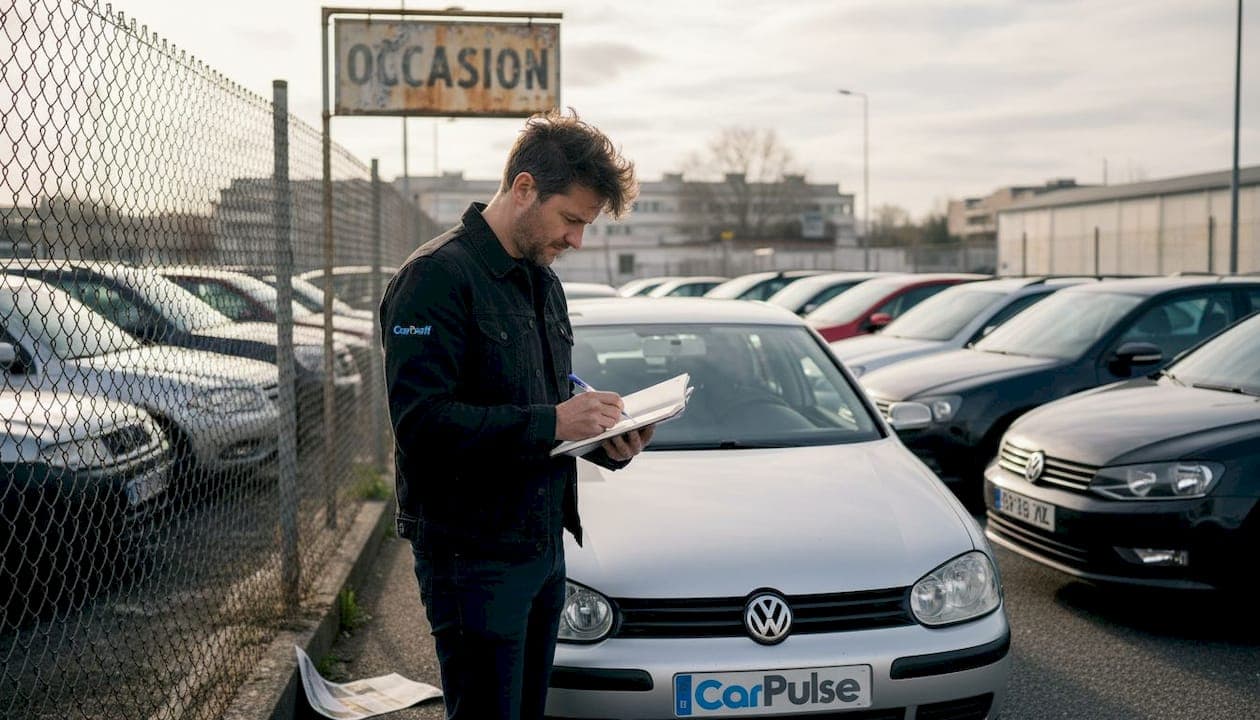
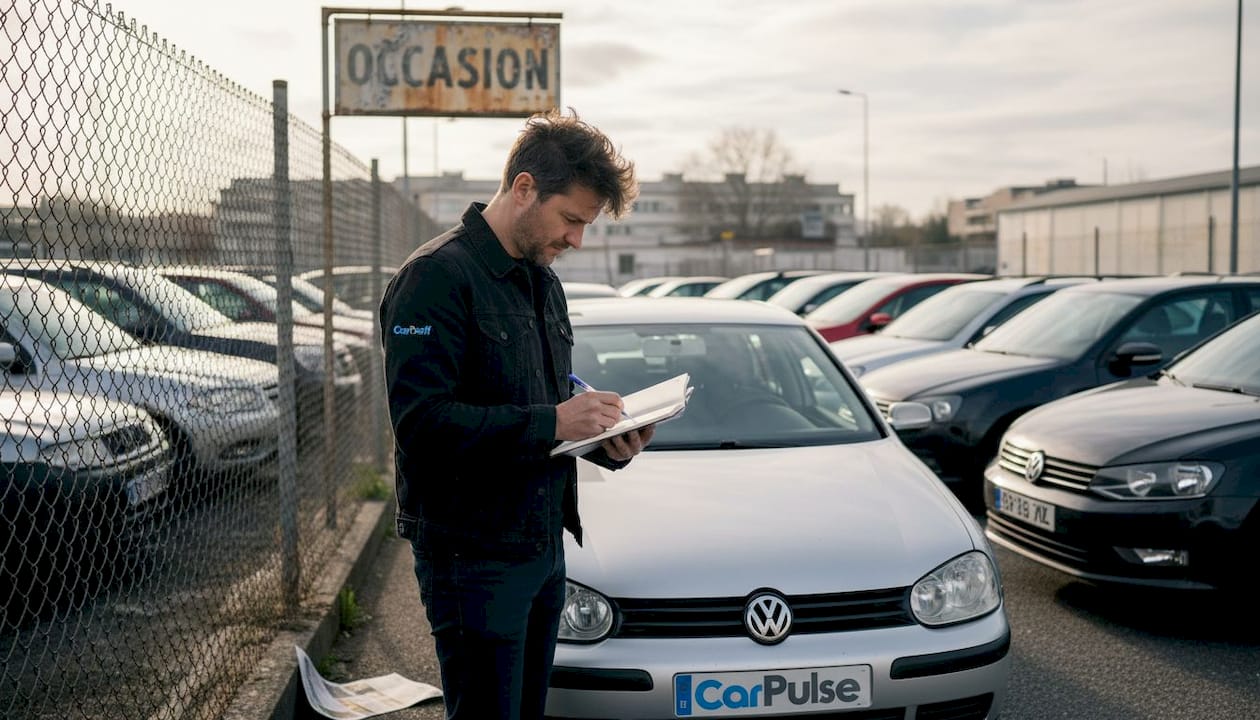
Negotiating with a foreign buyer follows different rules from haggling with someone down the road. The buyer can't come and test-drive the car at the weekend, judges prices by their own market's yardstick and has to trust someone they've never met. All of this makes the negotiation more delicate, but also potentially more profitable: strong demand in Eastern Europe and the Balkans often means a higher sale price for a well-kept Italian car. The secret isn't to "dig in" on price, but to steer the negotiation so that you build trust from a distance. To start off on the right foot you need a solid price reference: CarPulse's AI valuation gives you a neutral benchmark based on thousands of European listings, so you enter the negotiation with figures in hand rather than gut feeling.
Start From the Right Price: the Anchor of the Deal
The asking price is the first move in the negotiation and sets its tone. Get it wrong and you either receive zero enquiries or leave money on the table:
- Anchor the price to the right market: not to the Italian list price and not to a number plucked from the air. If your car is worth more in Romania, Germany or Albania, price it by looking at that demand, not at the dealer down the street.
- Start from an objective benchmark: a valuation based on many comparable listings protects you both from asking too much (and getting no enquiries) and from giving the car away. It's also a strong argument in the negotiation: "this is the market price, here's the data."
- Leave a reasonable margin: the foreign buyer expects to negotiate. Add 5–8% of room above the minimum you'd really accept, so you can "give a little" without underselling.
When you can say "the price is in line with 24,000+ market listings," the negotiation starts from an objective baseline rather than a tug-of-war. Listing with a built-in valuation leaves little room for spurious objections about price.
Build Trust Before Talking About Discounts
A distant buyer negotiates cautiously because they're afraid of being scammed. The more you reduce that suspicion, the less aggressive the haggling over price will be:
- Sell from a verified profile: on a platform that verifies sellers, the buyer can see straight away that you're a real person. That's a signal worth more than a thousand reassuring words.
- Make the vehicle history clear: VIN, service records, garage invoices, a recent roadworthiness test. A documented history removes doubt and defuses most discount requests based on "who knows how it's been treated."
- Show the flaws too: declaring a scratch or a tyre due for replacement upfront makes you credible. A serious buyer values honesty and negotiates more fairly.
When the buyer perceives a trustworthy seller, the negotiation shifts from suspicion to substance. A platform with verification and vehicle history like CarPulse does part of this work for you, highlighting that you're a real seller with a transparent car.
Handling the Classic Objections From a Distance
The same levers come up again and again when negotiating with a foreign buyer. Having your answers ready makes you look professional and stops you caving on instinct:
- "The mileage is too high / the car is a few years old": answer with data. A valuation that factors in year, mileage and trim shows the price is already calibrated to those parameters.
- "I have to add the transport costs": true, but that's the buyer's cost, not a fault of the car. At most you can offer to help arrange a car transporter (€200–600 depending on distance), not to drop the price to cover it entirely.
- "It's cheaper where I am": ask for a concrete example. Often the comparison is with a lower-spec car, higher mileage or no documented history. Always bring the comparison back to genuinely comparable cars.
The most common mistake is caving at the first "can we do less?". Reply calmly, steer the discussion back to the data, and concede small steps only against a concrete commitment (a deposit, a collection date).
Negotiating by Chat and Video Call
A negotiation with a foreign buyer almost always happens at a distance, and the channel matters:
- In writing, be clear and prompt: reply quickly and in full. A serious buyer who waits days for an answer moves on to another car. Keep the key details (price, availability, collection terms) always ready.
- Use the video call as a trust weapon: offering to show the car live — cold start, interior, any defects — is worth more than any discount. A good video call often closes the deal at the asking price.
- Put everything in writing: the agreed price, what's included, who pays for transport, the timeline. A written summary avoids language misunderstandings and protects both sides.
A platform that natively handles several languages reduces friction: the buyer reads the listing and communicates in their own language, and the negotiation flows without misunderstandings. You can create a clear, multilingual listing right when you post your car on CarPulse, free for cars under €10,000.
Spotting Fake Buyers and Scams
Cross-border selling has recurring scam schemes doing the rounds. Knowing how to spot them saves you time and protects you:
- Be wary of the "too easy" buyer: someone who accepts the price without questions and is in a hurry to pay through unusual methods is almost always a red flag.
- No unknown "shipping agents": the classic scam offers to pay through a courier or agent who handles both the car and the money. You arrange and verify the transport yourself, or the buyer comes in person.
- Payment before handover: insist on a verified bank transfer cleared into your account before you hand over the car and documents. Never foreign cheques, crypto suggested out of nowhere, or "overpayments to be refunded."
Selling on a platform with verified sellers and buyers drastically reduces these risks, because it filters out suspicious profiles upstream. You can gauge how serious the market is by browsing the verified listings on CarPulse and calibrate your expectations accordingly.
Closing the Deal: Price, Payment, Documents
When the agreement is close, the close has to be handled with method so you don't undo the whole negotiation:
- Lock in the commitment with a deposit: a small non-refundable deposit separates the buyer who means it from one keeping the car "on hold." It's proof the negotiation has landed.
- Secure, traceable payment: a verified transfer cleared before handover. Hand over the car and documents only once funds are genuinely available.
- Documents ready for export: the registration book, certificate of ownership, Certificate of Conformity (COC) and a clear bill of sale, ideally bilingual. For export you proceed with de-registration at the STA/ACI.
- Clear handover: define who collects or whether you arrange transport, and pin down exactly when ownership transfers.
With these precautions, negotiating with a foreign buyer turns into a deal closed safely, often at a better price than you'd have got on the local market alone.
Frequently Asked Questions
How much negotiating margin should I leave with a foreign buyer?
A reasonable margin is 5–8% above the minimum you'd genuinely accept. A foreign buyer expects to haggle, so a realistic asking price with a small cushion lets you "give" something without underselling. Start from an objective valuation: on CarPulse the AI valuation is based on 24,000+ European listings and gives you a benchmark you can defend the price with, data in hand.
How do I handle the negotiation if the buyer can't see the car?
Build trust from a distance: sell from a verified profile, make the VIN, service records and recent roadworthiness test available, show the flaws too, and offer a live video call showing the cold start and interior. A good video call is often worth more than a discount and closes the deal at the asking price, because it removes the suspicion of someone buying without having touched the car.
How do I recognise a scam offer in an overseas sale?
Be wary of anyone who accepts the price without questions, is in a hurry and proposes unusual payments. The most classic signal is an offer to pay through a "shipping agent" who handles both the car and the money: you arrange or verify the transport. Always insist on a bank transfer cleared into your account before handover, and refuse foreign cheques, unsolicited crypto or "overpayments to be refunded." Selling on a platform with verified profiles greatly reduces these risks.
Should I lower the price to cover the buyer's transport?
No: transport is the buyer's cost, not a fault of the car. You can offer to help arrange a car transporter (€200–600 depending on distance), but you're not obliged to drop the price to cover it. If the buyer insists, bring the discussion back to the car's real value, proven by a market valuation based on comparable listings.
Conclusion
Negotiating with a foreign buyer is won with preparation, not toughness: start from a price anchored to the right European market, build trust with verification, photos and vehicle history, handle objections with data, and close with secure payment and documents ready for export. Reach and credibility make the difference: with a pan-European marketplace you come to the table with a trustworthy profile and a defensible price in front of buyers in Italy, the Balkans and the rest of the EU. List your car on CarPulse.it — verified sellers, AI valuation across 24,000+ listings, vehicle history, free listings under €10,000 and reach from Italy to the Balkans and the heart of Europe — and run every negotiation with data and trust on your side.